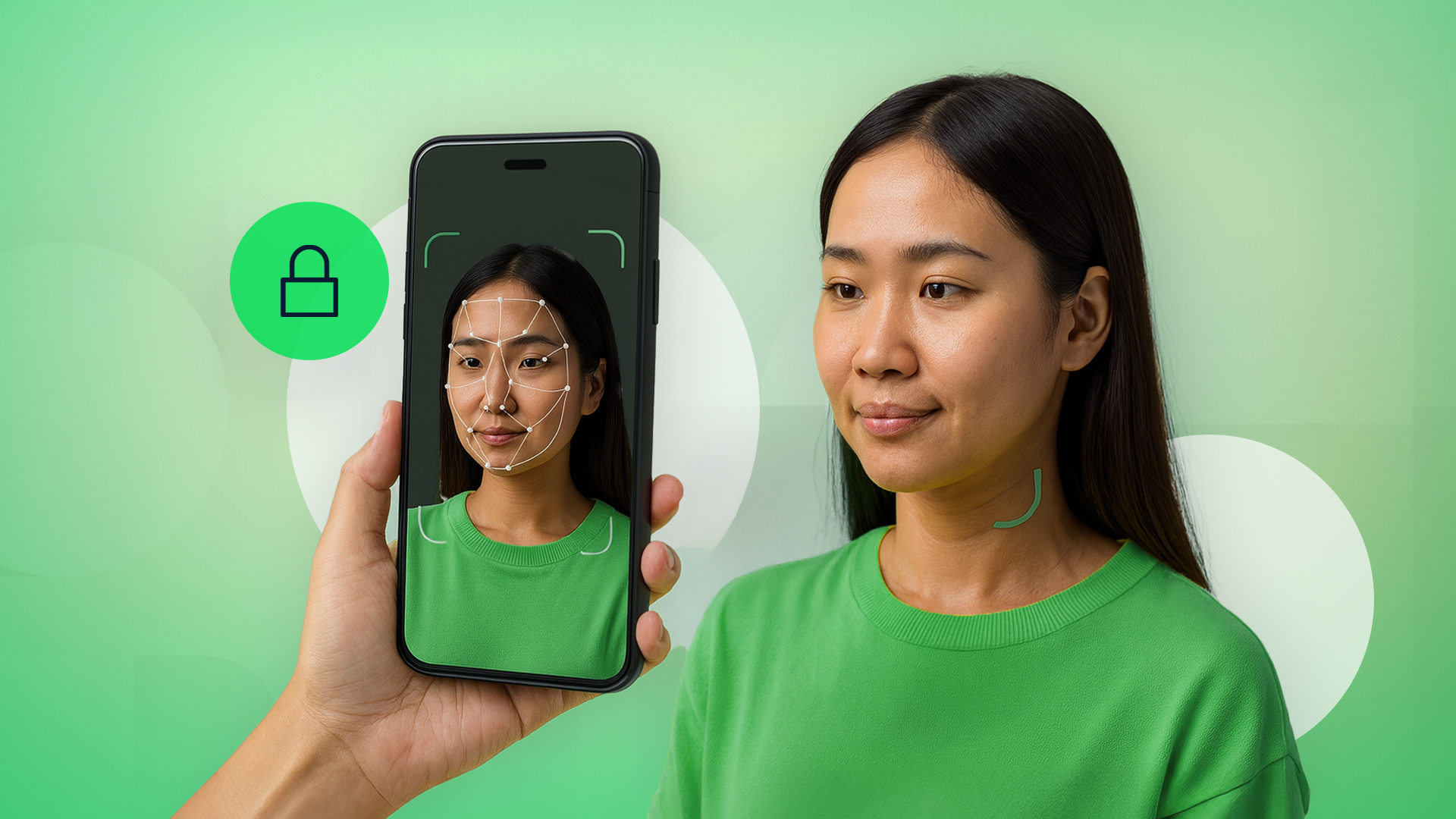
Why do we always have to take a selfie when opening a bank account, applying for paylater, using an e-wallet, or even completing a transaction in e-commerce? What’s the point of all these selfies?
It’s not for style.
Selfies are part of identity verification—a crucial process to ensure that the person performing an action is truly the same person shown on their official ID.
In a world where deepfake technology is advancing fast, identity verification faces new risks. Deepfakes are AI-generated photos, videos, or voices that look incredibly real—and criminals have started using them to trick verification systems. Imagine a deepfake of your face being used to pass identity checks. That’s a serious threat.
This is where biometric liveness technology becomes essential—a security layer that ensures identity verification is performed only by real, live humans, not AI-generated content.
What Is Biometric Liveness?
Biometric liveness is technology designed to confirm that biometric data such as a face or voice is coming from a real human at the moment of verification.
Its purpose is simple: to distinguish a genuine human from a printed photo, recorded video, 3D mask, or AI-generated deepfake.
That’s why biometric liveness is integrated into verification and authentication processes such as:
-
logging in to mobile banking
-
onboarding to digital financial apps
-
completing biometric checks for digital signatures
Types of Biometric Liveness
There are two main approaches: active and passive.
1. Active Liveness Detection
This method requires user interaction. Examples include being asked to:
-
blink
-
turn your head
-
smile
-
follow an on-screen prompt
The system checks whether the user responds in real time, making it ideal for high-risk onboarding processes like opening a bank account.
2. Passive Liveness Detection
This method requires no user interaction. The system automatically analyzes:
-
micro-expressions
-
lighting and reflections on the skin
-
skin texture
-
depth and facial contours
Passive liveness offers a frictionless user experience, making it perfect for quick logins or transaction authentication without compromising security.
Risks When Biometric Liveness Is Ignored
Without biometric liveness, biometric systems are easy to fool. Fraudsters can trick them using printed photos, screen replays. recorded videos, silicone masks, and AI-generated deepfakes.
Two major fraud techniques to watch out for:
1. Presentation Attack
In this attack, fraudsters show fake biometric data directly to the camera—for example:
-
printed photos
-
replayed video
-
3D masks
This method still fools many biometric systems that lack liveness detection.
2. Injection Attack
A much more advanced and dangerous attack.
Instead of pointing something at a camera, attackers:
-
inject deepfake video directly into the data stream
-
feed fake biometric content into verification APIs
-
bypass the camera entirely
Because these inputs don’t pass through actual camera sensors, traditional systems can’t detect them.
Introducing VIDA’s Biometric Liveness Technology
As a certified digital identity provider (PSrE) in Indonesia, VIDA offers biometric liveness detection with globally recognized security standards, available across all VIDA identity verification and digital signature products.
1. AI-Powered Passive Liveness
VIDA uses ColorFlash, a dynamic lighting technology that reads how natural light behaves on real human skin. Deepfake videos and manipulated images cannot replicate these light patterns—allowing the system to distinguish genuine faces from fake ones in real time.
2. iBeta Level 2 PAD Certified
VIDA is certified with iBeta Level 2 Presentation Attack Detection (PAD)—one of the world’s highest anti-spoofing standards.
This certification proves VIDA’s system is resistant to:
-
photos
-
video replays
-
silicone masks
-
AI deepfakes
3. Part of a Comprehensive Security Ecosystem
VIDA’s biometric liveness works seamlessly with:
-
official Dukcapil identity matching
-
Fraud Detection
-
AI Shield behavioral analytics
Together, these create a multi-layered security system that stops identity fraud before it happens.
As AI becomes more integrated into daily life from entertainment to cybersecurity, biometric liveness acts as the frontline defense separating real humans from synthetic ones.
For businesses, biometric liveness is essential to protect consumers and maintain trust. For users, it offers security without inconvenience—just take a selfie, and the system confirms it’s truly you.
.png)