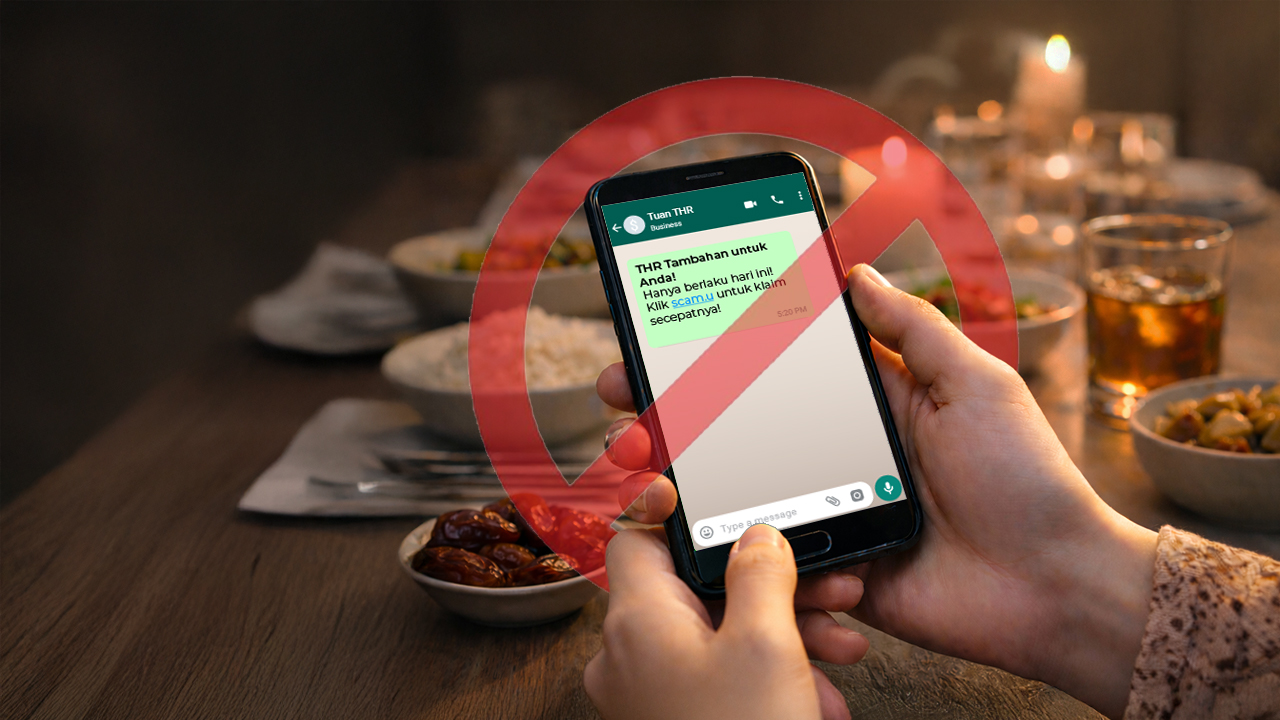
Jakarta, March 2, 2026 — Ahead of the annual Tunjangan Hari Raya (THR) holiday allowance disbursement period, VIDA has launched a Public Service Announcement (PSA) video titled “Jangan Asal Klik” to encourage stronger public awareness around digital fraud at one of the year’s highest-risk moments.
According to the VIDA 2026 Southeast Asia Digital Identity Fraud Outlook, fraud spikes do not occur randomly. They tend to concentrate around major liquidity events such as holiday allowance disbursements and monthly salary periods, when financial activity surges across the country.
This campaign aligns with recent warnings from Indonesia’s Ministry of Communication and Digital Affairs, the Financial Services Authority (OJK), and Bank Indonesia regarding the rise of digital document fraud, impersonation schemes, and AI-driven social engineering.
VIDA’s data shows a clear pattern. Fraud activity increases significantly just before and during the THR payout period. This is not a coincidence. Fraud actors take advantage of moments when people are:
• Waiting for transfer notifications or bonus payments
• Actively making transactions, shopping online, booking tickets, or sending money
• Experiencing heightened emotions, excitement, or urgency. When liquidity and trust converge, risk rises sharply.
“Fraud today is not only about technology, it’s also about timing,” said Niki Luhur, Founder and Group CEO of VIDA. “When people are waiting for their THR payments or expecting incoming transfers, a convincing fake link can quickly trigger an account takeover or data theft. ‘Don’t click carelessly’ may sound simple, but it’s a critical form of digital discipline.”
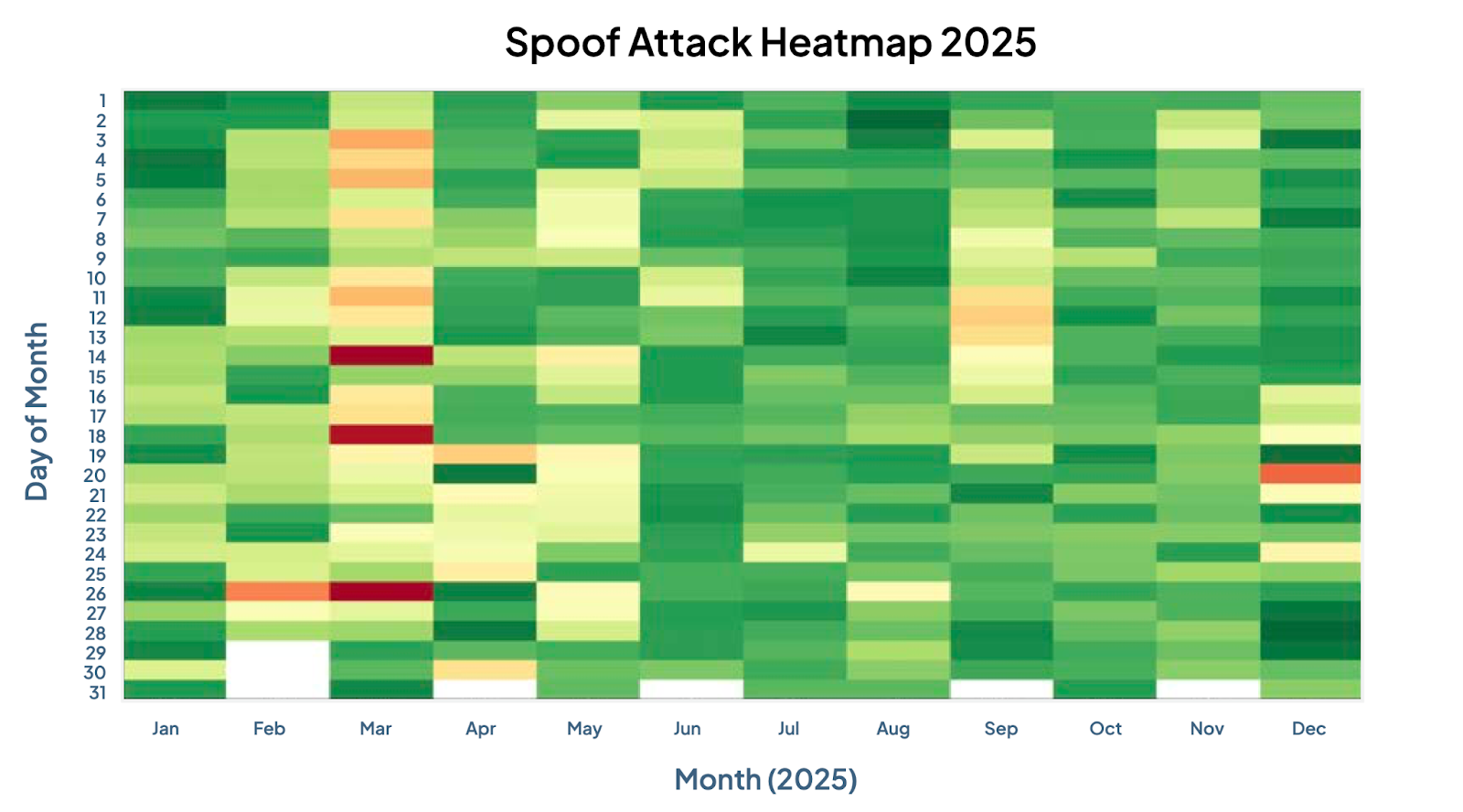
Sumber: Whitepaper VIDA 2026 SEA Digital Identity Fraud Outlook
The PSA also highlights that digital security is part of safeguarding trust during the holy month of Ramadan. Ramadan is not only about worship, but also about protecting what matters most, including financial security for our families.
In recent years, data from Indonesia’s Financial Services Authority shows that public losses from digital fraud reached approximately IDR 9.1 trillion, based on more than 400,000 reported cases between November 2024 and the end of 2025. Common schemes include phishing, social engineering, fraudulent investments, and the misuse of seemingly legitimate digital documents.
These findings are consistent with VIDA’s 2026 report, which shows that fraud is becoming increasingly organized and timed around national financial cycles, including peak activity during the THR disbursement period.
Through this campaign, VIDA encourages the public to adopt safer digital habits:
• Avoid clicking links from unknown messages, especially those designed to create urgency or panic
• Never share OTPs, PINs, or verification codes in any form
• Be cautious of APK files or documents that request additional app installations
• Always verify requests for fund transfers, even if they appear to come from someone familiar
• Use trusted and verified platforms for digital signatures and document processing
“Technology can help, but habits are the first line of defense,” Niki added. “Taking a moment to pause instead of reacting instantly can prevent serious consequences.”
The “Jangan Asal Klik” PSA is presented in a light, visual, and easy-to-understand video format designed to reach audiences across generations. Its goal is simple but impactful: to help people stay alert, think twice before clicking suspicious links, and avoid being driven by emotion during the busy THR period.
VIDA believes that public awareness is the foundation for building a safer, more efficient, and more trusted digital ecosystem in Indonesia. Digital security begins with individual awareness.
To follow the campaign and learn more tips on staying safe during Ramadan, the public can visit VIDA’s Instagram account at @vidadigitalid.
.png)