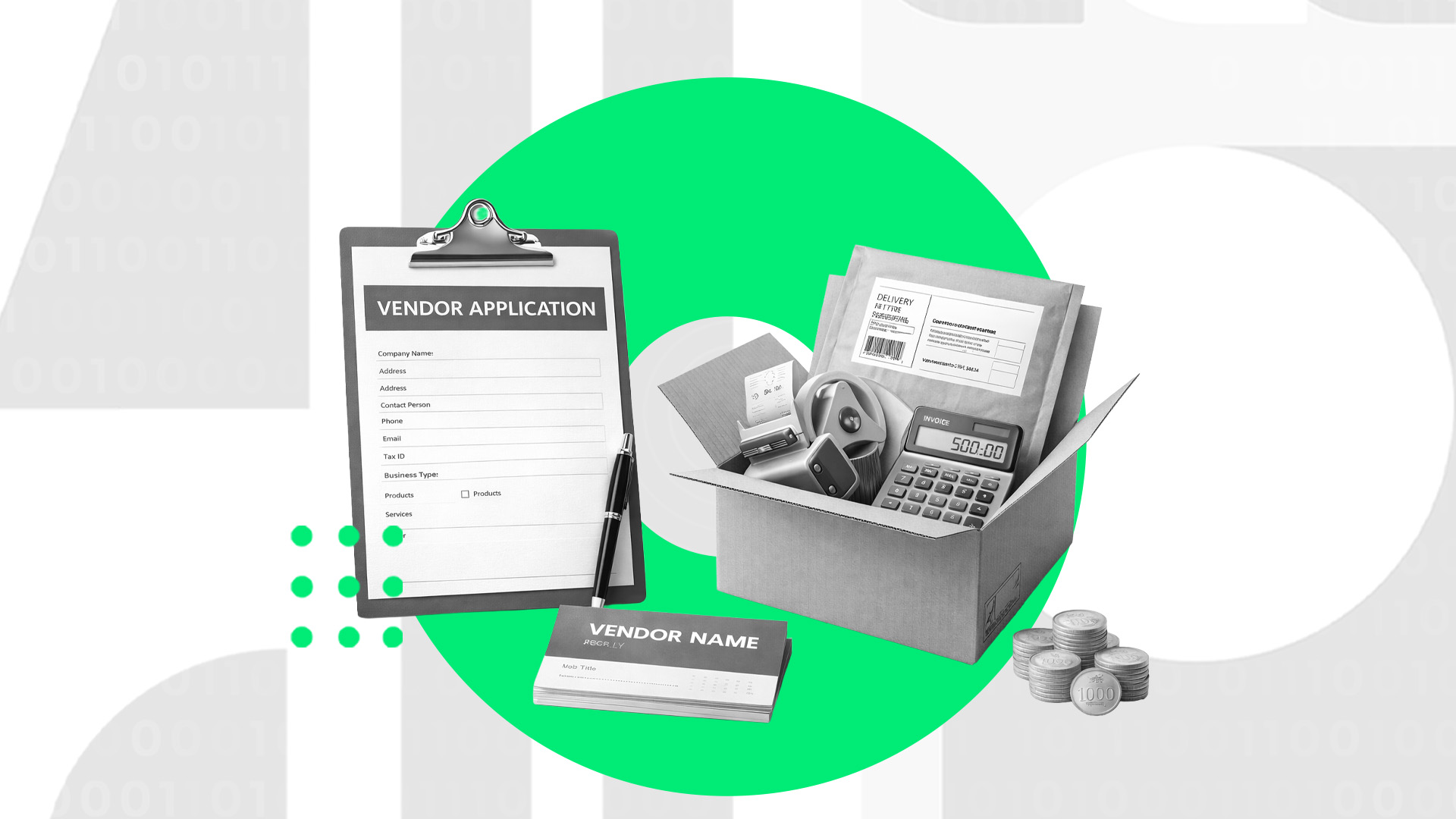
Have you ever come across the term vendor in the business world? It often comes up when discussing partnerships, procurement of goods and services, or professional contracts. Yet, many people still use vendor and supplier interchangeably, even though the two can have different roles, responsibilities, and working relationships.
Understanding what a vendor actually is is especially important for companies, MSME owners, and professionals who are frequently involved in business contracts, procurement processes, and day-to-day administrative operations.
With a clear understanding from the start, you can reduce the risk of misaligned partnerships and avoid potential legal issues down the line. Read on to learn what a vendor really is and why it matters.
What Is a Vendor?
Simply put, a vendor is a party that provides goods or services to another party, whether a company, a government institution, or an individual—based on a specific agreement or contract. Vendors don’t always take the form of large corporations and can include:
- Individuals
Independent professionals who provide services on their own, such as freelancers, independent consultants, or subject-matter experts working on a project-based contract. - Companies
Business entities such as limited liability companies, partnerships, or firms that supply goods or services, typically with more formal structures and standardized processes. - Institutions or Organizations
Educational institutions, foundations, or organizations that offer specialized services, such as training, research, or professional services, based on formal cooperation agreements.
The relationship between vendors and clients is usually contractual, which means there is a written agreement to regulate areas of work, rights and obligations, the duration of cooperation, and payment mechanisms.
This is what distinguishes vendors from ordinary sales transactions. Vendors do not just “sell,” but perform professional roles as agreed upon.
In the context of modern business, vendors are often considered business partners, as the quality of their services can affect the smooth operation and reputation of a company.
The Role and Function of Vendors in the Business World
So why do vendors play such a strategic role in business? In reality, not every company has the capacity to manage all of its operational needs internally. This is where vendors step in, providing specialized support and services that businesses may not be able to handle on their own.
At its core, a vendor is a key partner in business operations. Some of the most important functions of vendors include:
1. Supporting Business Operations
Vendors help companies handle functions beyond their core activities, such as IT systems, logistics services, consulting, and certain administrative tasks.
2. Improving Efficiency and Business Focus
By working with vendors, companies can stay focused on their core business without having to build every function from scratch.
3. Providing Specialized Expertise
Vendors often bring specific expertise that may not be available internally, such as technology vendors, tax service providers, or digital security specialists.
4. Enabling Business Scalability
As businesses grow, operational demands naturally increase. Vendors allow companies to scale quickly without the burden of expanding internal structures too rapidly.
Because of their critical role, vendor selection should never be taken lightly. Credibility, legal standing, and clear contractual arrangements are key factors to consider.
Types of Vendors Based on Their Industry and Role
To gain a deeper understanding of vendors, here are some common types of vendors categorized by their industry and role in business practice:
1. Goods Vendors
As the name suggests, goods vendors supply physical products such as raw materials, production equipment, office supplies, and other operational necessities.
2. Service Vendors
Service vendors provide professional services, including tax consulting, legal consulting, auditing, marketing services, and workforce outsourcing.
3. Technology Vendors
These vendors deliver technology solutions such as software, digital security systems, cloud services, and digital identity solutions.
4. Project-Based Vendors
Project-based vendors are engaged for specific projects within a defined time frame. They typically work under project-based contracts, commonly found in construction, event management, and system or technology implementation projects.
Each type of vendor comes with different collaboration characteristics. However, almost all vendor relationships involve formal contracts and official administrative processes.
The Importance of Contracts and Legal Aspects in Vendor Relationships
Because vendor relationships are professional and agreement-based, legal aspects form the foundation of the collaboration. Documents such as cooperation agreements, service contracts, invoices, and work completion reports all carry legal validity.
As companies manage an increasing number of operational needs, document handling must become faster and more organized. As a result, these documents are no longer always printed or signed manually.
Many companies are turning to electronic documents for efficiency and speed. However, this shift also introduces new challenges: how can businesses ensure that vendor documents are legally valid, secure, and formally recognized?
The Role of Digital Signatures in Vendor Relationships
Understanding what a vendor is marks the first step toward building healthy and professional business partnerships. Vendors are more than just providers of goods or services—they are partners who directly contribute to a company’s operational continuity.
Because nearly all vendor relationships involve contracts and legal documentation, the use of supporting technology has become increasingly important. Digital signatures and electronic stamp duty, for example, help ensure that collaboration documents are signed by authorized parties, legally valid, and protected against forgery or misuse.
As an officially licensed Electronic Certification Authority (PSrE) in Indonesia, VIDA offers digital signature and electronic stamp services that are legally recognized.
With a clear understanding of vendor roles and the right technological support, businesses can build vendor relationships that are more transparent, professional, and sustainable.
.png)