Online activities like transactions, signing documents, and accessing banking services have become part of our everyday routine. But the easier digital access becomes, the bigger the threat of online fraud grows. Personal data, important documents, even your bank account—everything can be a target.
That’s why understanding anti-fraud strategies is essential to protect yourself from increasingly sophisticated digital attacks.
Digital Fraud Trends in Indonesia and South-East Asia
Digital fraud isn’t just about losing money. The impact is much deeper—it destroys trust, damages reputations, and can cause important documents to fall into the wrong hands.
Effective anti-fraud strategies start with understanding the trends happening on the ground.
Recent data shows that phishing, social engineering, malware, and document forgery continue to rise across Indonesia and the ASEAN region.
In Indonesia, phishing remains the biggest threat. According to the Indonesia Anti-Phishing Data Exchange (IDADX), there were over 97,000 financial phishing incidents throughout 2023. The methods are getting more creative, from fake SMS links, APK-format “wedding invitations” sent via WhatsApp, to very convincing fake websites.
Across ASEAN, fraud trends are also alarming. INTERPOL’s ASEAN Cyberthreat Assessment identifies phishing, trojan malware, and business email compromise (BEC) as the region’s top threats.
A UNODC (2024) report also revealed that criminal networks in Southeast Asia are increasingly using AI, deepfake technology, and malware to run large-scale digital scams.
And that’s just the data security side. Fraud research across Asia Pacific highlights document forgery as one of the most common tactics, followed by identity theft for creating fake accounts.
The Indonesian Financial Services Authority (OJK) reported that bank customers lost Rp 2.5 trillion to digital fraud in just the last two years—showing how crucial it is to adopt anti-fraud strategies early.
Common Types of Digital Fraud
Before diving into anti-fraud strategies, it’s important to recognize the most common types of digital fraud happening in Indonesia:
1. Phishing
Fraudsters send fake emails, SMS, or WhatsApp messages that look official to steal usernames, passwords, or sensitive information.
2. Social Engineering
Scammers trick victims psychologically—often pretending to be a bank officer asking for OTP codes.
3. SIM Swap Fraud
Scammers take over a victim’s phone number, allowing them to access OTPs and log in to financial accounts.
4. Malware and Spyware
Malicious files disguised as apps or documents. Once downloaded, malware can read messages, record data, and even steal OTP codes.
5. Deepfake & AI Fraud
AI can now generate fake videos or voices that sound incredibly real. Scammers may impersonate bosses, coworkers, or even family members.
6. Document Forgery
Fraudsters forge documents, signatures, or electronic stamps for illegal transactions.
Anti-Fraud Strategies to Protect Your Data
So, what practical steps can you take? Here are effective anti-fraud strategies to keep your data safe:
1. Use Secure Identity Verification
Fraud prevention starts as early as account registration. Avoid relying on basic verification methods like simple ID photos or selfies—they’re easy to fake. Choose services that use biometric identity verification.
Secure biometric verification includes face recognition equipped with liveness detection, ensuring the person accessing the account is truly you—not a deepfake, spoofing attempt, or someone using stolen data.
2. Be Cautious With Links and Attachments
Many phishing and malware cases start with a single click. Avoid opening suspicious links from SMS, WhatsApp, or email—especially if they mention prizes, deliveries, or OTP requests.
3. Update Security Systems Regularly
Keep your apps, operating system, and antivirus up to date. These updates often include security patches to close gaps that scammers might exploit.
4. Be Careful With Photo Editing Apps
Anti-fraud strategies also involve the apps you use daily. Photo editing apps—especially AI-powered ones—can be fun but risky. Many request excessive permissions like access to contacts or location. This data can be collected without your knowledge and potentially misused.
Even worse, the face photos you upload could be used to create deepfakes, bypass face recognition systems, or even be sold on the dark web.
Anti-Fraud Strategies for Documents
Beyond personal data, document fraud is also a serious threat. Documents often get scattered across different platforms, making them easy to misuse.
So who says documents can’t have their own anti-fraud protection?
The VIDA App has evolved beyond a digital signature platform into a tool that helps protect your important documents from unauthorized use.
1. Magic Scan
Every secure digital document begins with a clean and precise scan. VIDA’s MagicScan lets you scan physical documents—ID cards, contracts, letters—with straight, clean, automatically cropped results.
After scanning, you can organize your documents neatly into folders using the Scan Archive feature. No more losing files in random galleries or messy folders.
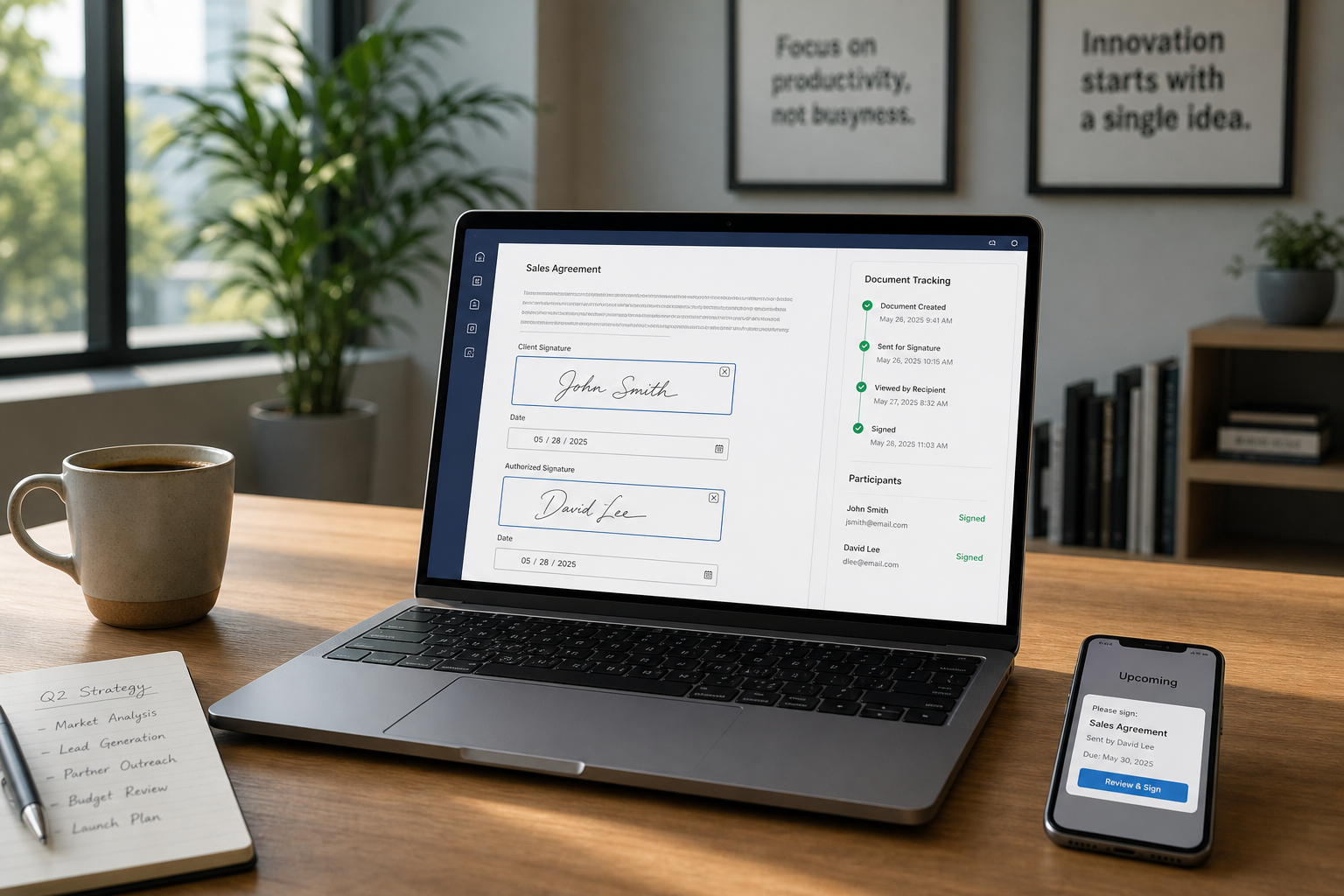
2. Certified Digital Signatures
VIDA also offers certified digital signatures recognized by Kominfo (official PSrE), making them fully legal and valid in Indonesia.
With this feature, you can sign documents directly from your phone—no printing, manual signing, or courier returns needed. Perfect for employment contracts, power of attorney, official agreements, and other legal documents.
Key advantages:
-
Identity verified with facial biometrics (Face Matching)
-
Every signature includes an audit trail and official timestamp
-
Cannot be forged or altered by unauthorized parties
Download the VIDA App to start using Magic Scan and certified digital signatures.
Fraud is now closer to our daily lives than ever. By understanding the different types of digital fraud and applying the right anti-fraud strategies, you can protect your important documents, personal data, and finances from scammers.
.png)