Stealing personal data is getting easier for hackers. In today’s digital world, they’re no longer just after “big” data like financial records or corporate secrets.
In fact, the everyday personal information we often overlook is what hackers target most—because these small pieces of data can unlock access to many other accounts.
For example, once your NIK leaks, it can open the door to bank account fraud, insurance misuse, credit loan applications, and more. Terrifying, right? And with the mix of human carelessness and advanced technology, personal data is becoming easier than ever to obtain.
Here are the types of personal data that are most vulnerable to theft, where hackers typically find them, and how to protect yourself.
Personal Data Most Vulnerable to Theft
1. Full Name & Place/Date of Birth
These are often used as “starter keys” for identity verification. Combined, they allow hackers to guess security questions or predict passwords.
2. National Identification Number (NIK)
Your NIK is extremely sensitive because it’s used as a legal identifier across various public and financial services. With your NIK plus supporting data, hackers can create fake accounts or impersonate you in official apps.
3. Address & Phone Number
Your home address, email, and phone number are often scattered across e-commerce sites, apps, and social media.
When misused, hackers can:
-
use your phone number for phishing, SIM swap attacks, or WhatsApp hijacking
-
misuse your address to trick delivery services into redirecting packages
-
impersonate you in online transactions
4. Email Address & Password
Your email is your primary identity online. If it leaks, hackers can try to reset passwords for your other accounts. Email + weak password is the perfect recipe for credential stuffing.
Remember the massive leak of 16 billion passwords? Imagine how much personal data becomes exposed when email-password pairs are compromised.
Studies show most people have had at least one account breached in their lifetime due to password reuse.
5. Financial Data & Card Information
Credit/debit card numbers, CVV, expiration dates, and bank account details are among the most valuable items on the dark web.
When combined with stolen data like NIK, mother’s maiden name, or date of birth, hackers can commit financial fraud almost instantly.
6. Transaction History & Savings/Balance Information
Transaction logs and balances can be used to track your financial patterns or deceive you with fake “transaction receipts” to make you believe money has been transferred.
7. Location Data & Digital Footprints
Your physical location, travel history, or GPS data can reveal:
-
your daily routines
-
places you frequently visit
-
times when you’re away from home
This helps hackers perform targeted phishing or social engineering.
8. Medical Records & Health Data
Medical histories and health records fall into high-risk data categories. If leaked, they can be abused for:
-
insurance fraud
-
medical identity theft
-
blackmail or extortion
Where Do Hackers Get Your Personal Data?
Hackers don’t always need advanced tools—many leaks come from our daily activities. Here are common sources:
1. Social Media
People often share:
-
full names
-
birthdays
-
pet names
-
current locations
-
relationship statuses
All of these can be used to guess passwords or answer security questions.
2. Platform Data Breaches
Major breaches often come from poorly secured platforms—like financial apps or e-commerce sites.
Once hacked, personal data gets harvested and sold on the dark web.
3. Unsafe Online Forms
Websites without HTTPS or proper security protocols can leak data submitted through sign-up forms, giveaways, or surveys.
4. Public WiFi Networks
When you connect to free WiFi at cafés or airports, hackers can intercept your activity through man-in-the-middle attacks, stealing login data or personal info.
5. Phishing & Malware
Phishing messages often create urgency or fear to manipulate victims. Once the victim clicks a malicious link or downloads a file, hackers can obtain personal data—or install malware that steals even more.
How to Prevent Personal Data Theft
Preventing personal data breaches requires a multi-layered security approach, including identity verification, strong authentication, and fraud detection.
1. Use Identity Verification + Liveness Detection
Ensure that every user accessing your system is a real, living human—not a deepfake or fake identity.
VIDA offers:
-
VIDA KYC: Document + biometric verification with iBeta Level 2–certified liveness detection to block deepfakes and spoofing.
-
VIDA ColorFlash: Detects real facial light reflections vs. manipulated media for stronger anti-impersonation protection.
2. Replace Passwords and OTP with Biometric Authentication
Passwords are too easy to break. Switch to biometric authentication:
-
FaceToken: Passwordless access using facial recognition + liveness detection.
-
PhoneToken: Binds the user’s account to a verified device—making stolen OTPs useless without the original device.
3. Detect Fraud Before It Happens
Companies must be proactive, not reactive.
Use AI-based systems to detect:
-
fake accounts
-
suspicious activity
-
synthetic identity attempts
-
voice cloning or deepfake attacks
4. Increase Audit Trails & Traceability
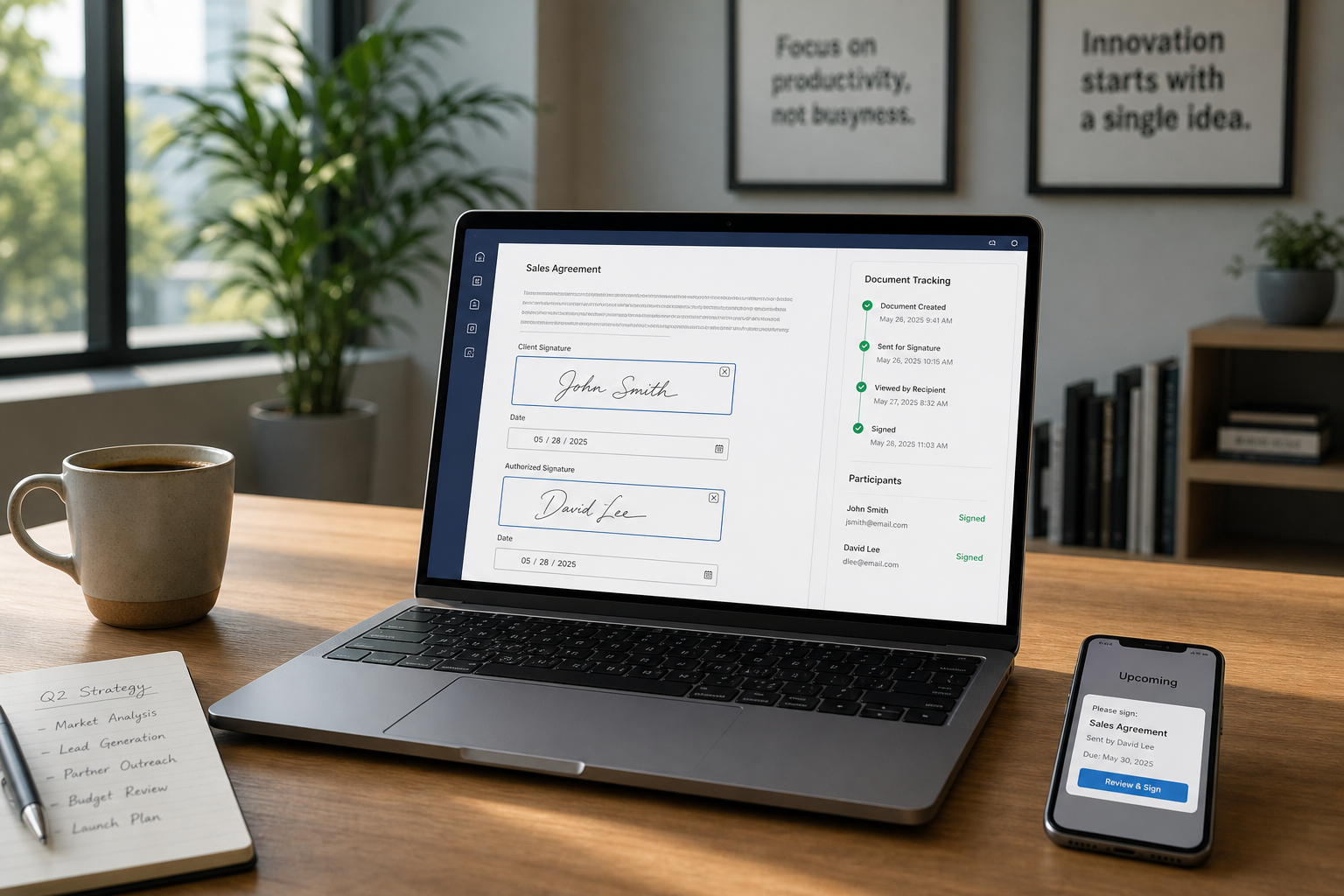
VIDA provides enterprise-grade digital signatures that ensure:
-
every signature is tied to a verified identity
-
full compliance with Kominfo PSrE, OJK, and Adobe AATL
-
strong audit trails for regulated industries
Understanding the types of personal data most easily stolen and knowing how hackers exploit them helps us stay vigilant.
Choosing the right digital identity and protection technologies, such as VIDA’s verification and authentication solutions, ensures your personal data doesn’t become an easy target.
.png)