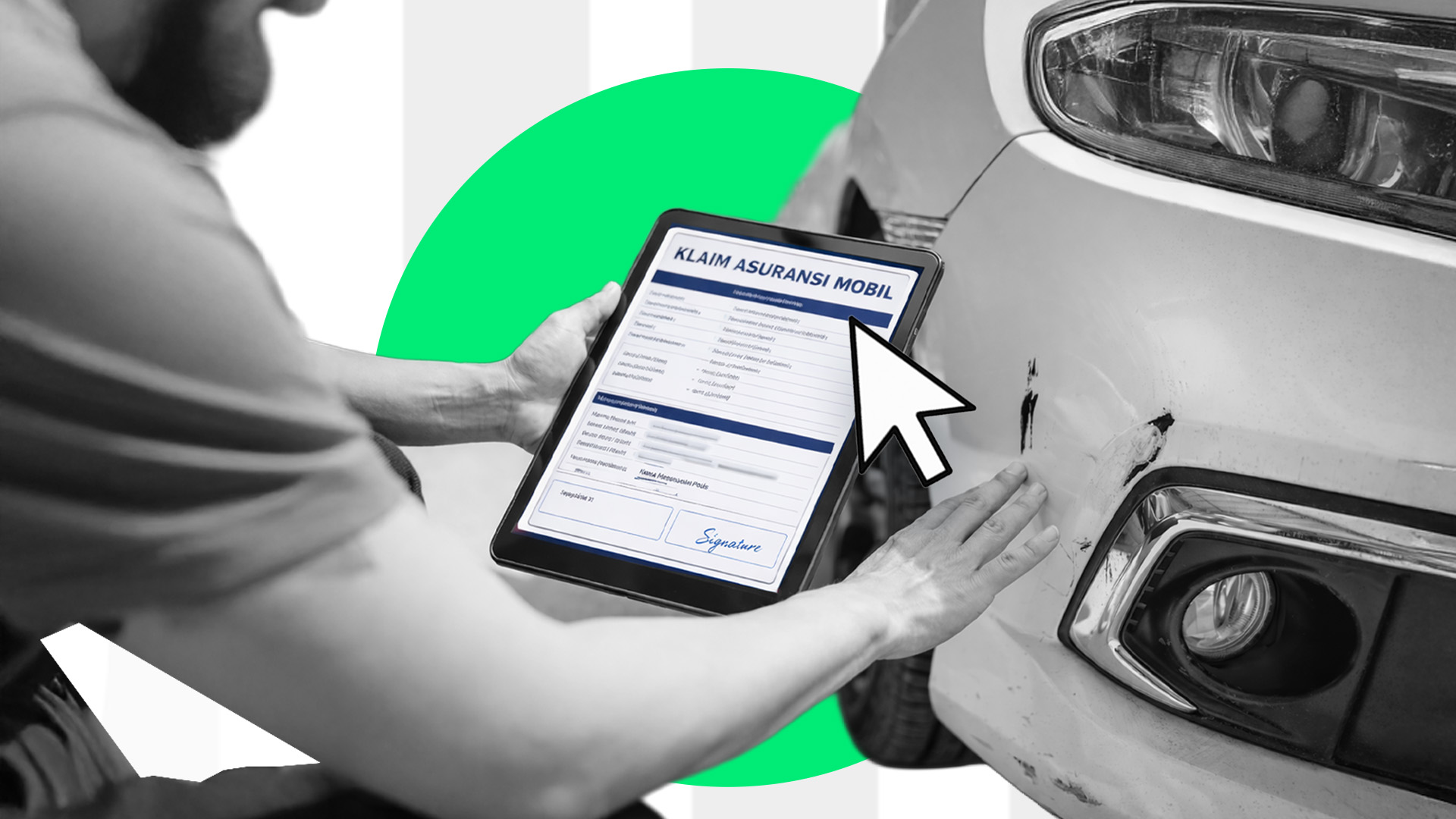
Have you ever only realized you needed car insurance after something bad already happened? From minor accidents and parking lot scratches to damage caused by natural disasters — repair costs can add up fast.
Car insurance is often overlooked because many people find it complicated to choose, don't fully understand how it works, or worry about the cost of filing a claim. But having that safety net can really save you when it matters.
That said, just having insurance isn't enough. Many car owners are still unsure about how to file a car insurance claim, what documents are needed, what steps to take, and what mistakes to avoid.
Baca Juga: Types of Insurance and How to Buy Them Online
Understanding Car Insurance and Its Types
In general, car insurance is a protection product that compensates you for vehicle damage or loss based on your policy. In Indonesia, the two most common types of car insurance are:
- All Risk (Comprehensive) Insurance — Covers almost all types of damage, from minor scratches to major damage, and even theft (subject to policy terms).
- Total Loss Only (TLO) Insurance — Covers major losses, such as vehicle theft or damage exceeding a certain percentage of the vehicle's value (usually ≥75%).
The type of insurance you have will significantly determine how you file a claim, the cost involved, and what kinds of losses are covered.
8 Steps to Filing a Car Insurance Claim
Here are the general steps for filing a car insurance claim that apply across most insurance companies. The order matters — skipping steps could lead to your claim being rejected or delayed.
1. Make Sure the Incident Is Covered by Your Policy
Before filing a claim, check your insurance policy first. Make sure the incident you experienced falls under a covered risk. For example, minor damage is typically only covered by all risk insurance, not TLO.
2. Report the Incident Immediately
Most insurance companies require you to report the incident within 24 hours to 5 business days. You can file a report through the insurer's call center, app, email, or official website. Don't delay — late reporting can be grounds for claim rejection.
3. Secure the Vehicle and the Scene
If possible, secure your vehicle to prevent further damage. In the case of a traffic accident, document the scene thoroughly — the location, vehicle positions, and a clear timeline of what happened.
4. Prepare Your Claim Documents
Documents typically required include:
-
Insurance policy
-
Policyholder's ID card
-
Driver's license
-
Vehicle registration (STNK)
-
Claim form
-
Photos of vehicle damage
For certain cases (such as major accidents or theft), a police report may also be required.
5. Fill Out the Claim Form Honestly and Completely
The claim form requires a description of what happened. Make sure you fill it in based on the facts — don't exaggerate or leave things out. Any inconsistencies can slow down the verification process.
6. Undergo a Vehicle Survey or Inspection
The insurance company will conduct a survey, either in person at a partner workshop or through a digital inspection. At this stage, the damage will be verified to determine whether the claim is approved.
7. Wait for Claim Approval
If your claim is approved, the insurance company will issue a work order (SPK) to a partner workshop. You'll typically only need to pay the own risk/deductible as stated in your policy.
8. Vehicle Repair or Claim Settlement
Once repairs are completed or a theft claim is approved, the claim process is considered closed. Keep all claim documents as part of your personal records.
Common Mistakes When Filing a Car Insurance Claim
Here are some frequent mistakes you should avoid:
- Reporting the incident too late
- Not reading the policy terms
- Submitting incomplete documents
- Providing an inconsistent account of what happened
These small mistakes can have a big impact on the outcome of your claim.
Baca Juga: Examples of Personal Data Most Easily Stolen by Hackers
Managing Your Insurance Claim Documents More Securely
Filing a car insurance claim involves a lot of important documents — from your policy and ID to claim evidence. Unfortunately, many people still store important documents in their phone gallery or chat apps, which makes them vulnerable to leaks and hard to find when you actually need them.
One solution you can use is storing your digital documents with VIDA's DocsVault, where documents can be locked using biometrics (Selfie ID or device biometrics).
You can also use SecureShare, which lets you share documents with full control — including access permissions and document expiration dates. This way, your insurance documents stay safe, are easy to access when filing a claim, and won't end up scattered across different apps.
By understanding how to properly file a car insurance claim and managing your documents securely, you can handle emergency situations with more peace of mind and control.
.png)