Hacking is a term that almost always appears whenever data leaks occur, accounts are hijacked, or digital money is transferred without permission. Although it is frequently discussed, many people still consider hacking a technical issue that is far removed from daily life. In fact, the digital activities you carry out every day are the main entry point for attacks.
In the era of digital identity, hacking no longer always looks suspicious. There are no system errors, no strange notifications. Everything runs normally, until one day the impact is truly felt.
What Is Hacking?
Simply put, hacking is the act of accessing, using, or controlling a digital system without the owner’s permission. This system can take the form of an account, personal data, an application, or even someone’s digital identity. In a global context, hacking is also known as hacking.
What is often overlooked is that hacking does not always involve complex system breaches. Many cases actually occur due to human manipulation, not because the technology itself is weak.
Hacking continues to occur because the digital world is becoming increasingly interconnected. One account is often connected to many other services, from email to financial services. When one access point is successfully taken over, the effect can spread everywhere.
On the other hand, hackers also continue to adapt. They take advantage of new technology, automation, and AI to make attacks more efficient and harder to detect.
How Hacking Works in the Digital Era
Not Always Starting From the System
Many people imagine hacking always begins with attacks on servers or applications. In reality, many attacks actually start with humans. Attackers exploit trust, routines, and users’ digital habits. This is why victims often feel they did nothing wrong, even though they were in fact being manipulated.
The Role of Personal Data in Hacking
Personal data is the main material of modern hacking. Names, email addresses, phone numbers, facial photos, and even voices can be collected and used to build very convincing fraud scenarios. The more complete the data, the higher the chance of a successful attack.
For this reason, many organizations now rely on digital identity verification systems to ensure that those accessing services are truly legitimate users, not the result of data misuse or fake identities.
The Most Common Types of Hacking
Account Hacking
Account hacking occurs when someone takes over access to another person’s digital account. Targets can include email, social media, and financial applications. Once successful, these accounts are often used for further fraud or to spread attacks. One hacked account often opens the way to others.
Digital Identity Hacking
In this type, a person’s data is used to carry out digital activities without the owner’s knowledge. Examples include applying for online loans, registering services, or approving important transactions. Identity hacking is often only realized when the impact has already become complex and difficult to trace.
Financial Hacking
Financial hacking targets digital assets directly. Illegal transfers, digital wallet breaches, and misuse of payment accounts fall into this category. Attacks usually occur quickly, before victims have time to react. Financial loss is the most noticeable impact.
Hacking in the Era of AI & Deepfake
When Identity Can Be Falsified
The development of AI has drastically changed the face of hacking. With deepfake technology, a person’s face and voice can be realistically imitated. This allows hackers to impersonate trusted individuals through video or voice calls. For humans, distinguishing between real and fake communication is becoming increasingly difficult.
Why Deepfake Makes Hacking More Dangerous
Deepfake makes hacking feel more personal and convincing. No longer suspicious text messages, but familiar voices and faces. At this point, traditional security systems such as passwords and OTPs are often no longer sufficient.
Therefore, security approaches are beginning to shift toward deepfake detection and liveness detection technologies to ensure that those interacting are truly real humans, not AI manipulation.
1. Use Stronger Authentication
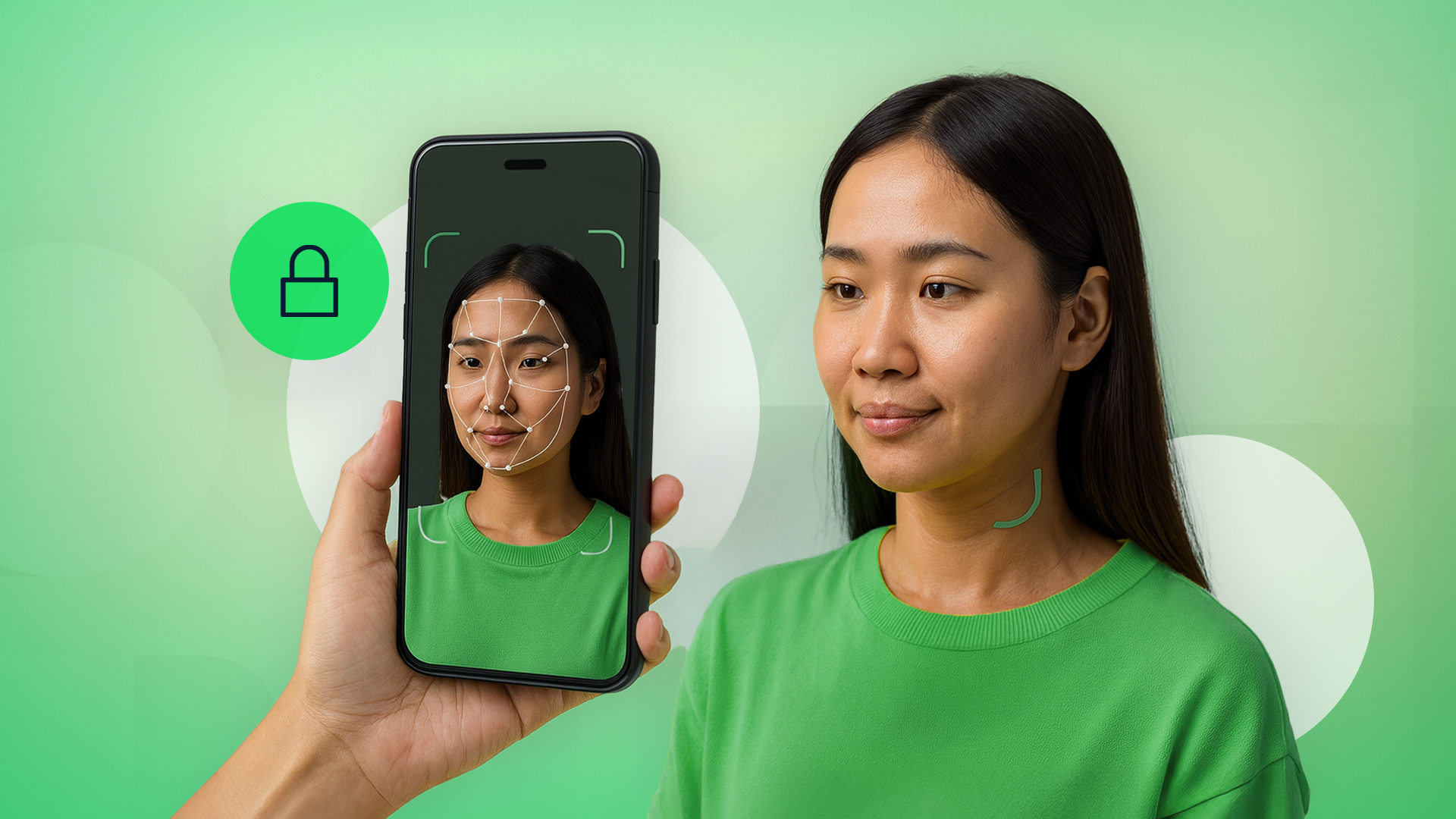
Relying on passwords alone is no longer sufficient. Multi-layered and biometric-based authentication helps ensure that access is only granted to legitimate users. This approach makes impersonation and identity theft more difficult. Technologies such as facial biometric authentication have become safer alternatives to traditional methods.
2. Improve Digital Literacy
Be wary of overly urgent messages, sudden data requests, and instructions that are out of the ordinary. Always carry out additional verification before making important decisions. Simple steps are often enough to prevent major impacts. Awareness remains the first layer of defense.
It’s Time to Protect Digital Identity Seriously
Hacking is a digital threat that continues to evolve, especially in the era of AI, deepfake, and modern hacking practices. This threat is no longer limited to technical aspects but touches the most crucial element: trust. When digital identities can be falsified, the risk becomes increasingly real.
This is where a more comprehensive security approach becomes important. VIDA Digital Identity presents identity security solutions designed to address modern hacking challenges, from Identity Verification, Liveness & Deepfake Detection, to Authentication within one integrated ecosystem.
If identity is the main gateway to the digital world, then protecting it is no longer a choice, but a necessity.
.png)