Many people assume online scams are always easy to spot — poorly written messages, suspicious language, or stories that sound too exaggerated to be true. In reality, most scams today appear completely normal. The messages are polished, the context feels believable, and they often arrive when we least expect them.
That’s why many victims only realize something is wrong after their money or personal data has already been misused. It’s not necessarily because they lack technological knowledge, but because the scams themselves are intentionally designed to feel convincing and familiar.
Why Do These Cases Still Happen?
Most digital fraud does not begin with obvious threats. Instead, scammers usually create a sense of urgency, such as account issues, suspicious activity alerts, or requests for immediate assistance.
When people feel rushed, they are more likely to respond quickly without taking time to verify the information first. At the same time, digital communication removes important context. We cannot see who we are actually talking to — only a name, profile photo, or phone number that appears familiar.
Baca juga: Digital ID Card Fraud: The Risk of Your ID Data Being Used Without You Knowing
Most Common Online Scam Tactics
The methods may vary, but the goal is always the same: to gain the victim’s trust and encourage immediate action without too many questions.
-
Impersonating Official Institutions
Scammers pretend to represent banks, e-wallet providers, or other official institutions. They usually create urgent scenarios, such as compromised accounts or suspicious transactions that must be “resolved immediately.”
-
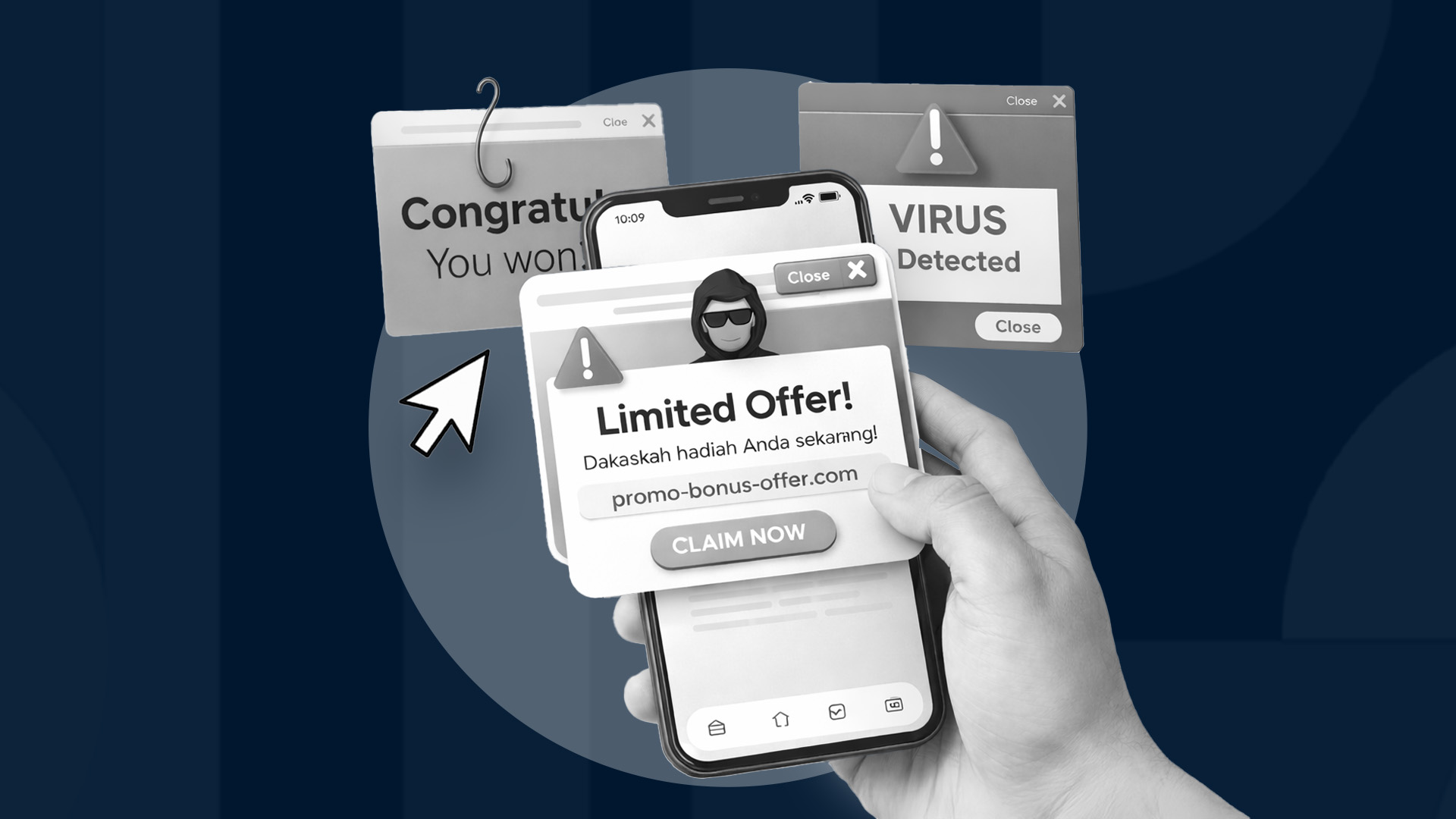
Fake Prizes, Giveaways, or Refunds
Victims are informed they have won something or are eligible for a refund they never requested. To claim it, they are asked to submit personal information or pay certain fees.
-
Manipulated Buying and Selling Transactions
On marketplaces or social media platforms, scammers may pose as sellers or buyers.
Fake payment proofs and realistic conversations are used to make the transaction appear legitimate.
-
Fake Links and Forms
Victims are directed to websites that closely resemble official platforms.
Once login details or verification codes are entered, the scammer can take over the victim’s account.
-
Pretending to Be Someone You Know
Messages may come from numbers that seem familiar.
The stories often involve emergencies, use short and urgent language, and are intended to pressure victims into sending money or personal information immediately.
Why Do So Many People Fall for It?
Because everything appears reasonable. There is rarely a single moment that feels obviously suspicious. In fact, the familiarity of the interaction often causes people to skip proper verification. In many cases, these scams are closely related to how someone’s identity is used in the digital world. This topic is explored further in VIDA’s article about Digital Identity and Why It Matters in an Increasingly Online World.
How to Stay Safer Online
Avoiding scams does not mean becoming overly suspicious of everything. However, taking a short pause before responding to urgent messages can make a huge difference.
Make it a habit to verify information through official channels and avoid clicking links immediately. If something feels uncertain, stop for a moment and ask for a second opinion. Decisions made calmly are usually far safer than rushed reactions.
.png)