One of the best things about today’s increasingly advanced digital world is how fast we can transfer money—often in just a matter of seconds. Whether you’re sending money to family, paying an online seller, or handling other transactions, everything feels effortless.
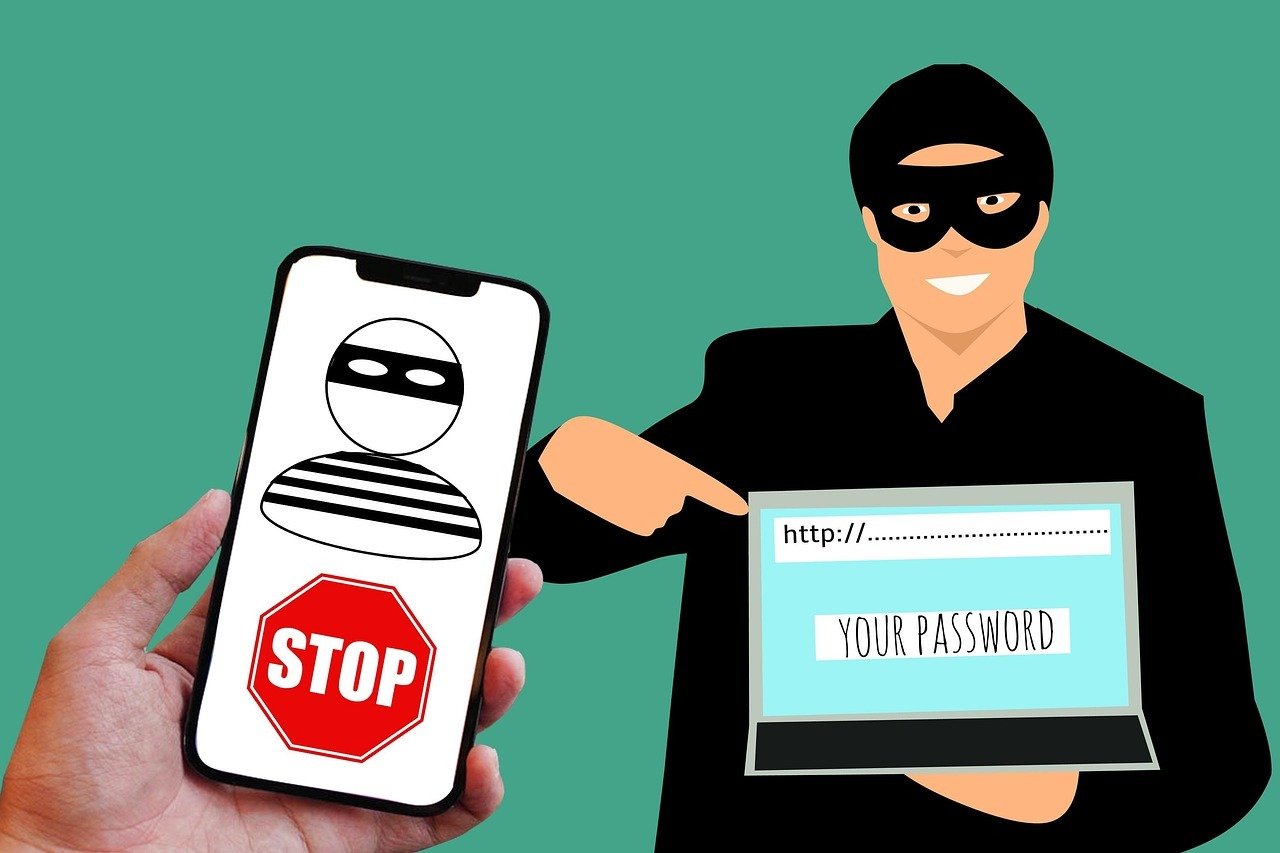
Unfortunately, behind this speed and convenience lies a major risk that many people overlook: transfer fraud. Scammers are getting smarter, and many victims don’t realize they’ve been tricked until it’s too late.
Here’s a common case: An online seller receives a transfer receipt via WhatsApp. At first glance, it looks real—complete with bank logo and correct amount. Trusting it, the seller immediately ships the item. But after checking the account, no money has actually been received. The scammer disappears.
So how do you tell the difference between real and fake transfers? Let’s break down the signs of transfer fraud, the manipulation techniques scammers use, and how you can avoid becoming the next victim.
Recognize the Signs of Transfer Fraud
Transfer scammers don’t rely on verbal tricks alone. They use visual deception, psychological manipulation, and digital techniques. Here are some common signs:
1. Fake Transfer Receipts That Look Convincing
This is one of the easiest scams to fall for. Someone sends a transfer receipt that looks almost identical to a real bank-issued one. The sender's name and amount may match the transaction.
But if you look closely, there are often inconsistencies:
-
fonts that don’t match,
-
misspelled bank names,
-
reference numbers that can’t be verified.
These “receipts” often come as image files (JPEG/PNG) instead of official banking PDFs, and sometimes they’re screenshots from modified apps.
2. Psychological Manipulation (Social Engineering)
This type of transfer fraud is harder to spot because scammers prey on emotions: trust, sympathy, or panic. For example, scammers may claim to be in an emergency and ask you to transfer money immediately to “help them.”
Others impersonate official institutions or well-known brands:
“Hello, this is customer service from your bank. Your account will be suspended unless you verify it by sending a payment.”
If you’re not careful, emotional pressure can lead to major financial loss.
3. “Wrong Transfer” Scam
This targets mobile banking and e-wallet users. A scammer pretends they accidentally transferred money into your account and sends a fake receipt. They then ask you to return the funds.
Panicked and convinced by the scammer’s message, many victims transfer their own money back—without checking their actual balance first.
4. Transfers Made Through Fake Apps
Scammers use fake apps designed to mimic banking interfaces. These apps don’t connect to any bank system—they simply generate fake visuals to trick victims.
Signs include:
-
no real bank notifications,
-
no SMS confirmation from official channels.
5. Avoiding Official Communication
A red flag that often goes unnoticed: scammers refuse to communicate via phone or video call. They’ll give excuses like “bad signal,” “in a meeting,” or ignore verification requests. This is intentional—they don’t want their lies exposed.
They insist on communicating only through text messages (WhatsApp, Instagram DM) because it’s easier for them to control the narrative and manipulate victims.
6. Pre-Order and Personal Shopper (Jastip) Scams
Scammers offer products via pre-order, ask for upfront payment, then disappear after receiving the money. They often use social media accounts that look professional and filled with fake testimonials.
The same applies to personal shopper (jastip) scams:
Scammers collect money from multiple victims but never deliver any items. They continue communicating just long enough to build trust, then vanish.
Tips to Avoid Transfer Fraud
Here are five essential steps to protect yourself:
1. Always Check Your Balance and Transaction History
Don’t rely solely on transfer receipts.
Open your mobile banking app and confirm that the funds actually arrived. Transfer receipts can be faked—your balance cannot.
2. Be Alert to Stories That Feel Too Urgent
If someone pressures you to send money or goods immediately, pause.
Many transfer scams use urgency to cloud judgment. Avoid making financial decisions while stressed or rushed.
3. Report Suspicious Activity
If something doesn’t feel right during a transfer process, contact the official customer service team or report it to authorities.
The sooner you report it, the higher the chance of tracing the scammer.
4. For Businesses: Use Additional Verification Layers
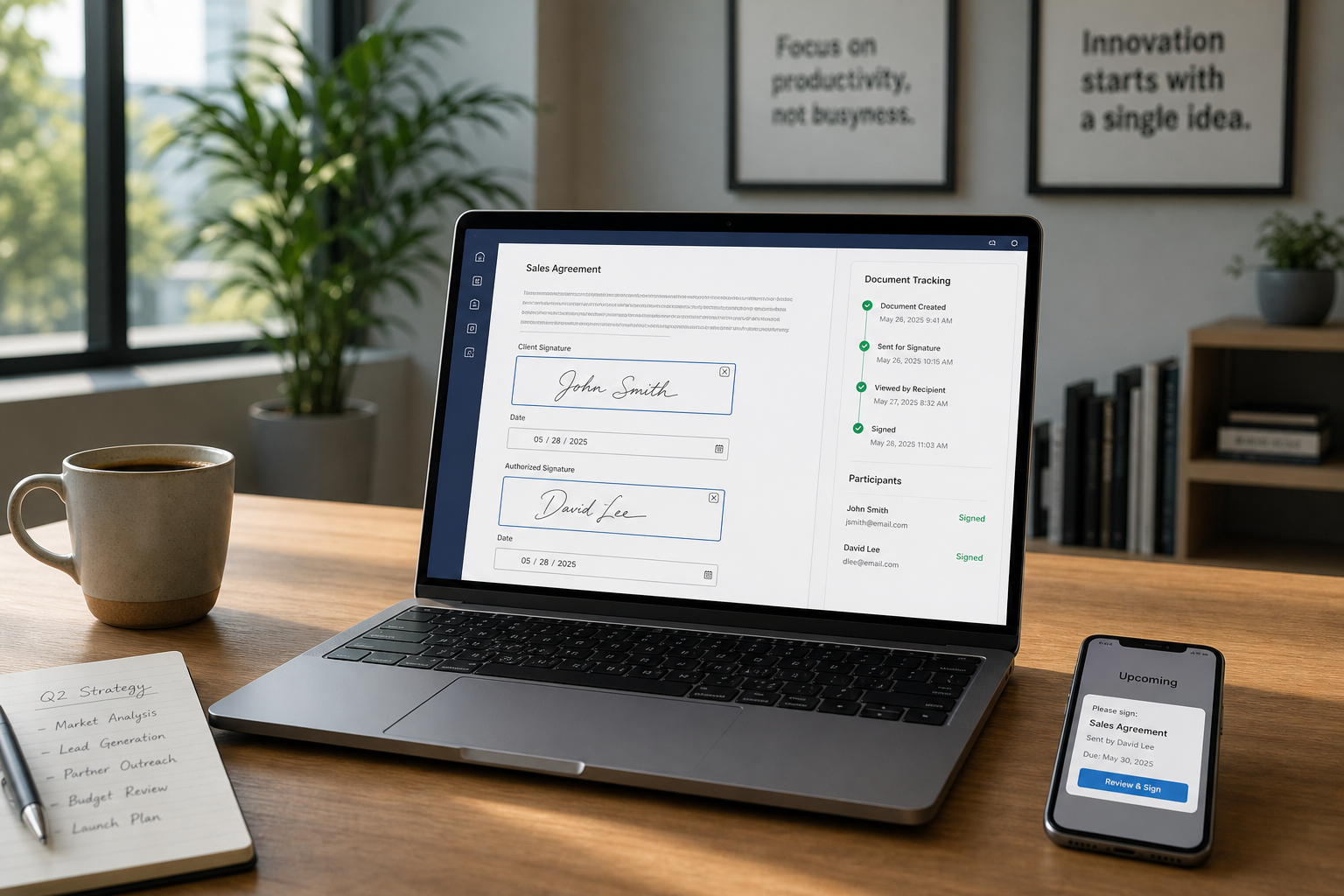
For transactions involving sensitive data or large amounts of money, relying on a single security layer—like receipts or OTPs—is no longer enough. Modern transfer fraud involves advanced manipulation techniques, fake documents, social engineering, and even AI-generated deception.
Businesses should implement multi-layered verification to confirm user identity and ensure transaction authenticity.
Examples include:
-
certified digital signatures,
-
biometric verification,
-
device verification.
These ensure only authorized individuals can complete transactions.
With digital transactions increasing rapidly, recognizing the signs of transfer fraud is essential for every internet user. Don’t let haste or misplaced trust turn you into a victim.
For businesses, secure technology is crucial—especially in identity verification and user authentication. Solutions from VIDA, such as biometric verification with liveness detection, certified digital signatures, and AI-powered risk monitoring, are designed to stop many forms of fraud, including transfer scams that are becoming more widespread.
By understanding the signs of transfer fraud and how to avoid it, you’re protecting your money, your reputation, and your future.
.png)