As digital services become an essential part of everyday life, protecting user accounts has become more important than ever. Whether accessing online banking, e-commerce platforms, financial applications, or workplace systems, businesses need reliable ways to verify that users are who they claim to be.
One of the most common authentication methods used today is SMS OTP verification. Millions of users receive one-time passwords through text messages every day to confirm logins, authorize transactions, or reset passwords.
While this method adds an important layer of security, cybercriminals have also developed increasingly sophisticated techniques to bypass it. As fraud evolves, understanding both the strengths and limitations of SMS OTP verification becomes essential for businesses and users alike.
What Is SMS OTP Verification?
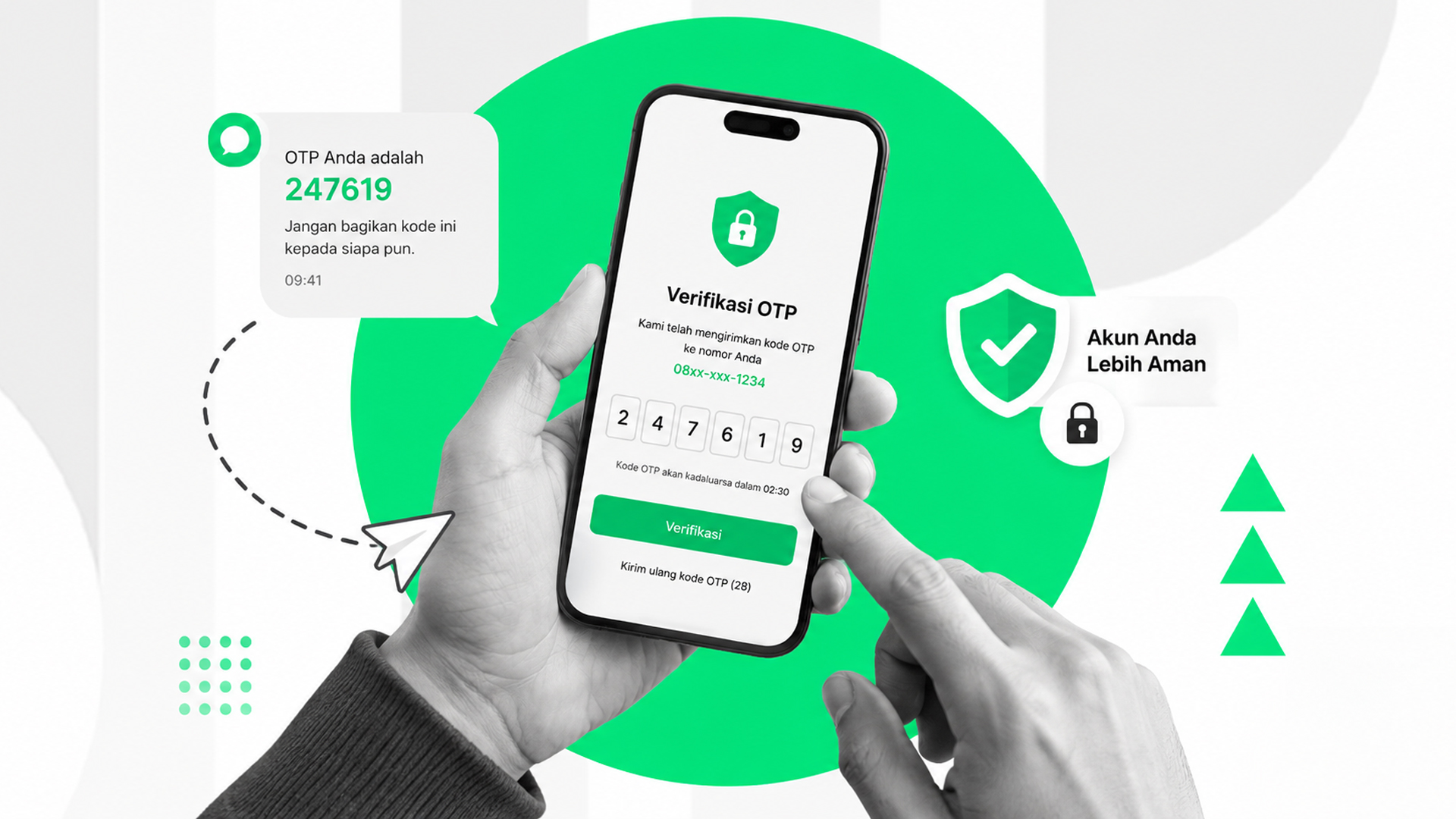
SMS OTP verification is an authentication process that sends a temporary one-time password (OTP) to a user's registered mobile number through a text message. The code is usually valid for only a short period and can only be used once. To complete a login, transaction, or account-related action, users must enter the correct code before it expires.
Unlike traditional passwords that remain unchanged until updated, OTPs are generated dynamically for each verification request. This makes them more secure than relying solely on static credentials. Because of its simplicity and accessibility, SMS OTP verification remains one of the most widely adopted authentication methods across industries.
How SMS OTP Verification Works
Although users only see a text message arrive on their phones, several processes occur behind the scenes.
1. A Verification Request Is Triggered
The process begins when a user logs in, registers for an account, changes account settings, or approves a transaction.
2. A Unique Code Is Generated
The platform creates a temporary verification code linked to that specific request.
3. The OTP Is Delivered via SMS
The code is sent to the user's registered mobile number.
4. The User Enters the Code
The verification code is submitted through the website or application.
5. The System Validates the Request
If the code is correct and still valid, access or transaction approval is granted.
This extra step helps confirm that the person attempting the action has access to the registered device.
Why Businesses Use OTP for Account Security
SMS-based authentication remains popular because it provides a balance between security and convenience. For users, receiving a text message is familiar and does not require additional software or technical knowledge. For businesses, OTP verification helps reduce the risk of unauthorized access, particularly when passwords have been compromised through data breaches or credential theft.
It is also commonly used as part of a broader two-factor authentication strategy, providing an additional layer of protection beyond usernames and passwords. However, while OTP verification can strengthen security, it is not designed to stop every type of fraud.
How Fraudsters Steal OTP Codes Through Scams and Deepfake Fraud
Modern cybercriminals rarely attack OTP systems directly. Instead, they focus on manipulating users into handing over verification codes themselves. One of the most common methods is phishing. Attackers send fake emails, text messages, or chat notifications that appear to come from legitimate organizations. Victims are then directed to fraudulent websites designed to collect login credentials and OTP codes.
Another growing threat is spoofing. Fraudsters can manipulate caller IDs or sender information to make messages and phone calls appear as though they are coming from trusted institutions such as banks or customer support teams.
More recently, advances in artificial intelligence have introduced a new challenge: deepfake-powered scams. AI technology can now replicate voices and create highly convincing impersonations. In some cases, victims receive phone calls from what appears to be a trusted individual urgently requesting account access or asking them to share verification codes.
Because these interactions can sound authentic, users may unknowingly provide OTPs that allow attackers to gain access to accounts. Once a fraudster obtains both login credentials and a valid OTP, account takeover becomes significantly easier.
Strengthening Authentication Beyond SMS OTP
As fraud techniques become more sophisticated, many organizations are moving beyond single-layer authentication approaches. While SMS OTP verification remains valuable, businesses increasingly combine it with additional security measures such as biometric authentication, liveness detection, device intelligence, and behavioral analysis.
These technologies help identify suspicious activity, detect fraudulent login attempts, and verify that users are genuine before granting access. This layered approach is becoming increasingly important as AI-driven scams, identity fraud, and account takeover attacks continue to evolve.
Solutions from VIDA help organizations strengthen digital trust through authentication, identity verification, liveness detection, and fraud prevention technologies designed to address modern threats, including phishing, account takeover, deepfake fraud, and synthetic identity attacks.
.png)