Have you ever felt certain that you had completed your tax payment, only to later face issues such as an underpaid tax return, penalty notifications, or even payments that were not properly recorded? One of the most common reasons behind these problems is choosing the wrong tax payment code.
The term tax payment code may sound highly technical and confusing, especially for new employees, MSME owners, or even companies that rarely make manual tax payments. In reality, this code plays a crucial role in determining how tax payments are recorded and recognized within the Directorate General of Taxes (DJP) system, particularly now that tax administration is fully integrated through Coretax DJP.
Baca juga: Panduan Coretax: Semua yang Wajib Pajak Perlu Tahu
What Is a Tax Payment Code?
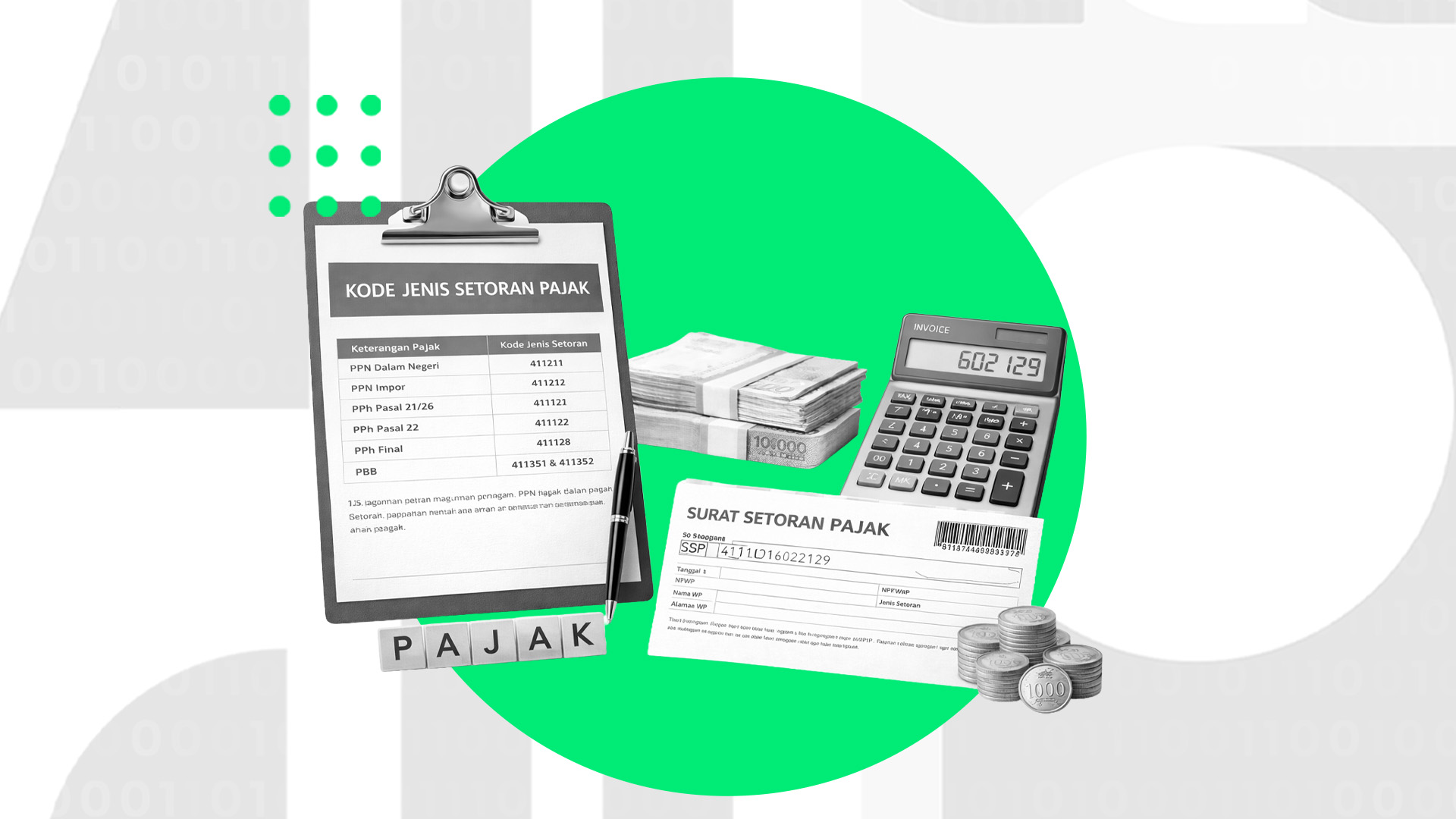
A tax payment code is a code used to indicate the purpose or context of a tax payment. This code must be selected when a taxpayer makes a payment through the tax system.
It’s important to note that a tax payment code is not the same as a tax type. While the tax type identifies the object of taxation (such as Income Tax or VAT), the tax payment code explains what the payment is for, whether it is a regular installment, the settlement of a tax return, an underpayment, or an administrative penalty.
As a result, a single tax type can have multiple tax payment codes, depending on the purpose of the payment.
The Function and Role of Tax Payment Codes
Within the tax administration system, tax payment codes serve several critical functions, including:
- Determining how tax payments are recorded
The DJP system uses this code to classify payments as principal tax, tax return settlement, or administrative penalties. - Linking payments to the correct tax obligation
Without the correct tax payment code, payments are not automatically matched to the relevant tax return or tax period. - Determining taxpayer compliance status
An incorrect code may cause a tax return to remain marked as underpaid, even though the funds have already been transferred. - Avoiding administrative penalties
Using the wrong code often leads to late payment penalties, as the system treats the obligation as unpaid.
In other words, understanding tax payment codes is not just a technical matter of making payments, it is a crucial part of overall tax compliance.
Tax Payment Codes in the Coretax Era
Fortunately, the process of tax payment and reporting is now far more integrated with the implementation of Coretax DJP. In substance, tax payment codes remain unchanged and continue to follow DJP regulations. However, the way these codes are used has become more structured and guided.
Within Coretax, the selection of tax payment codes is often linked directly to the transaction context, for example, when settling an Annual Tax Return or paying underpaid VAT. This helps reduce manual input errors that were common in the previous systems.
- Tax Account Code (KAP) → indicates the type of tax being paid (such as PPh 21, VAT, or Corporate Income Tax).
- Tax Payment Code (KJS) → indicates the purpose of the tax payment.
Both codes serve different purposes but are always used together in a single tax payment transaction. Because they often appear side by side, many taxpayers refer to them collectively as “tax payment codes.” However, it’s important to be cautious, as each code has a distinct technical function.
Some of the tax payment codes commonly used in practice include:
- Periodic Tax Payments
Used for routine monthly tax payments, such as Income Tax Article 21 or VAT for the current tax period. - Annual Tax Return Settlement
Used when taxpayers settle any remaining underpaid tax after submitting their Annual Tax Return. - Underpayment (Tax Assessment or Collection Notice)
Used for tax payments based on a Tax Assessment Letter or the results of a tax audit. - Administrative Penalties / Fines
Used to pay penalties for late tax filing or late tax payments. - Corrections or Reallocation (Bookkeeping Adjustments)
Used to correct tax payments so they are recorded under the correct tax obligation.
Common Risks of Using the Wrong Tax Payment Code
Based on the explanation above, it can be concluded that using the correct tax payment code is critically important. Failing to do so can lead to serious consequences, including:
- Tax payments not being recognized as the settlement of tax obligations
- Tax returns remaining marked as underpaid, even after payment has been made
- The imposition of administrative penalties or fines
- The need to submit a payment reallocation request, which can be time-consuming and complex
These risks often occur not because taxpayers fail to pay their taxes, but because the tax payment code used does not match the purpose of the payment.
Baca juga: Cara Lapor PPN di Coretax: Panduan Lengkap untuk Pengusaha Kena Pajak
For taxpayers, the process of paying taxes can indeed feel confusing. However, it’s important to remember that taxation plays a vital role in supporting a country’s development.
To avoid mistakes in tax payments—such as using the wrong tax payment code—you can apply a few simple steps:
- Make sure you understand the purpose of the tax payment before generating a billing code
- Clearly distinguish between the tax account code and the tax payment code
- Use the payment menu directly from the relevant obligation context in Coretax
- Properly save and archive payment receipts and tax documents
With a proper understanding of tax payment codes, taxpayers can ensure that their tax payments are recorded correctly, avoid administrative penalties, and fulfill their tax obligations with greater confidence and peace of mind.
.png)