If you’ve just started your career, are building a business, or are dealing with taxes for the first time, feeling overwhelmed is completely understandable. Terms such as PPh, PPN, SPT, and Coretax are often mentioned, yet many people don’t fully grasp what they mean. Understanding the different types of taxes, however, is crucial to avoid incorrect payments, reporting mistakes, or even potential penalties.
Since the launch of Indonesia’s national tax digital transformation through the Coretax DJP system in 2025, taxpayers are expected to have a better understanding of their tax responsibilities. This includes knowing which taxes apply to them, how to report them correctly, and ensuring that their tax documents are processed legally and securely.
This article breaks down the types of taxes in Indonesia and provides clear examples in a simple, easy-to-follow way. It’s designed for students who are just learning about taxation, new employees experiencing salary deductions for the first time, growing MSMEs, and corporate taxpayers alike. Let’s take it step by step.
Why Taxes Matter and Who Commonly Deals with Them
Taxes play a strategic role in the functioning of a country. Revenue collected from taxes is used to fund various public sectors, including infrastructure development, education, healthcare, subsidies, and day-to-day government operations.
From the taxpayer’s perspective, the obligation to pay and report taxes goes beyond legal compliance. It is also part of one’s administrative responsibility. In practice, the groups that most frequently deal with tax obligations include:
- Students and recent graduates who are just starting to learn the basics of taxation
- New employees whose income is subject to Income Tax (PPh)
- MSME owners who have business tax obligations and are required to submit regular tax reports
- Corporate taxpayers, such as companies and organizations, that manage VAT, Corporate Income Tax, and other tax-related administrative requirements
Understanding different types of taxes and their examples from the outset helps taxpayers avoid reporting errors, late submissions, and administrative penalties.
Baca juga: PPN 12 Persen: Arti, Dampak, dan Solusi untuk Bisnis
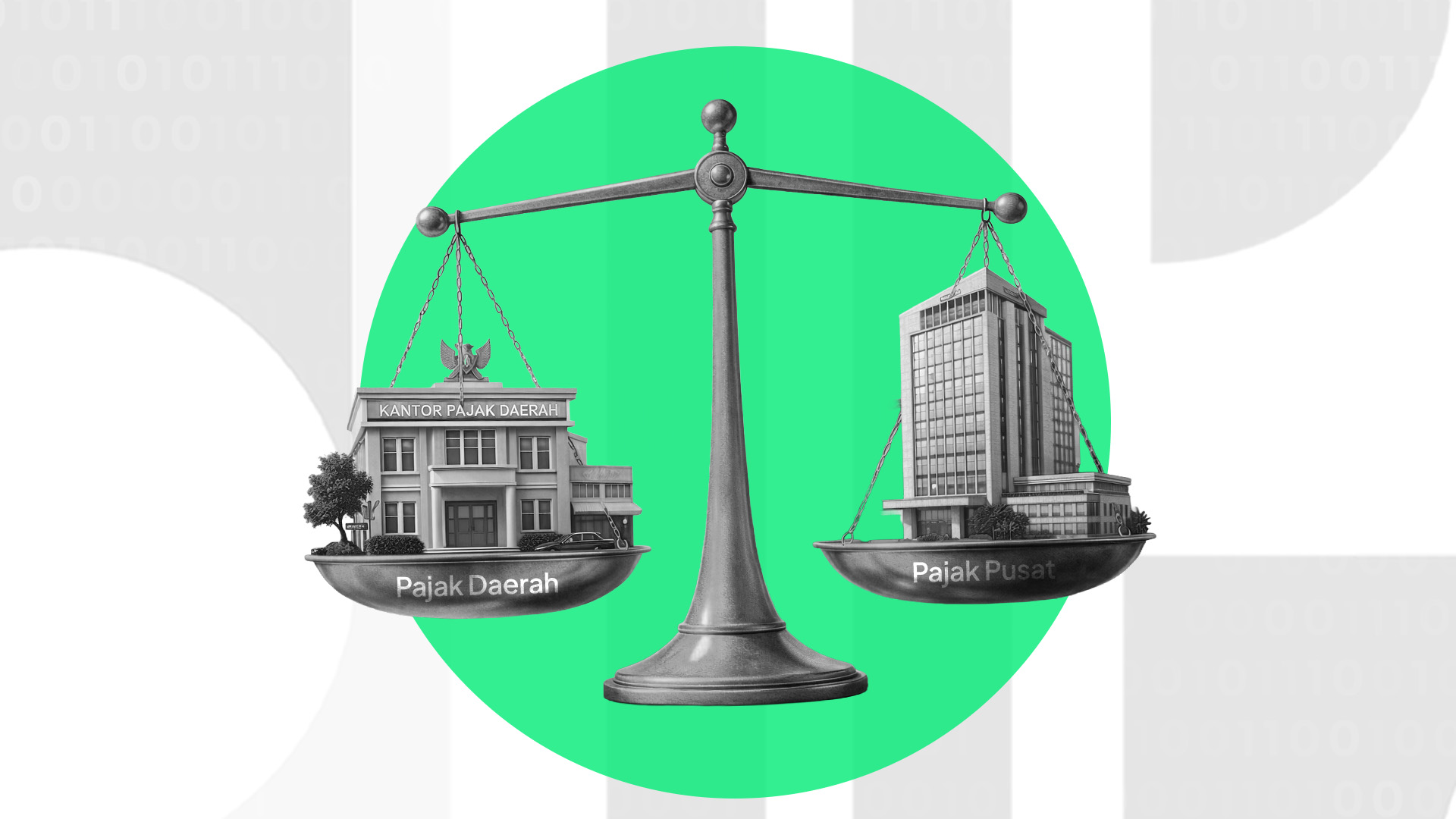
Two Types of Taxes in Indonesia Based on the Collecting Authority
In addition to their purpose and benefits, taxes in Indonesia can also be classified based on the party responsible for collecting them.
1. Central Taxes
Central taxes are collected by the central government through the Directorate General of Taxes (DJP). The main types of taxes in this category include:
- Income Tax (PPh), imposed on the income of individuals and entities
- Value Added Tax (VAT/PPN), applied to the consumption of goods and services
- Luxury Goods Sales Tax (PPnBM)
- Stamp Duty, imposed on certain legal documents
Most central taxes are reported through Annual Tax Returns (SPT Tahunan) and Periodic Tax Returns (SPT Masa).
2. Local Taxes
As the name suggests, local taxes are collected by local governments at the provincial and regency/city levels. These taxes are regulated through local regulations (Peraturan Daerah), which are issued in accordance with national tax laws.
Common examples of local taxes include:
- Motor Vehicle Tax
- Land and Building Tax (PBB-P2)
- Hotel, restaurant, entertainment, and advertising taxes
While central taxes are paid directly into the state treasury, local taxes are used to fund local needs and development within each region. The use of local tax revenue varies, including:
- The development and maintenance of local infrastructure, such as roads, transportation systems, and public facilities
- Funding public services like education, healthcare, and environmental sanitation
- Strengthening administrative services and daily operations of local governments
- Supporting regional autonomy, reducing reliance on central government funding
Although managed by local governments, local taxes remain an essential part of Indonesia’s national tax system. They complement central taxes in supporting overall economic development. Beyond serving as a source of local revenue, local taxes also play a key role in maintaining fiscal balance between the central and local governments.
Reporting Different Types of Taxes Through Coretax
Indonesia’s tax administration has now undergone a major modernization with the full transition to the Coretax DJP system. This means that the reporting of various types of taxes is now centralized within a single platform. Coretax replaces previously separate systems such as DJP Online, e-Faktur, e-Filing, and e-Billing.
Through Coretax, tax reporting is more structured and streamlined. Taxpayers can submit Annual Tax Returns for both individual and corporate taxpayers, as well as Periodic Tax Returns (SPT Masa), including VAT and certain types of Income Tax.
The Role of Digital Signatures in Coretax
This transition has made tax management more practical and transparent for taxpayers. However, tax digitalization also introduces new challenges. Tax documents are now fully electronic, making authenticity, security, and signer identity critical factors. Errors in authentication or the use of invalid signatures can result in document rejection and even administrative risks.
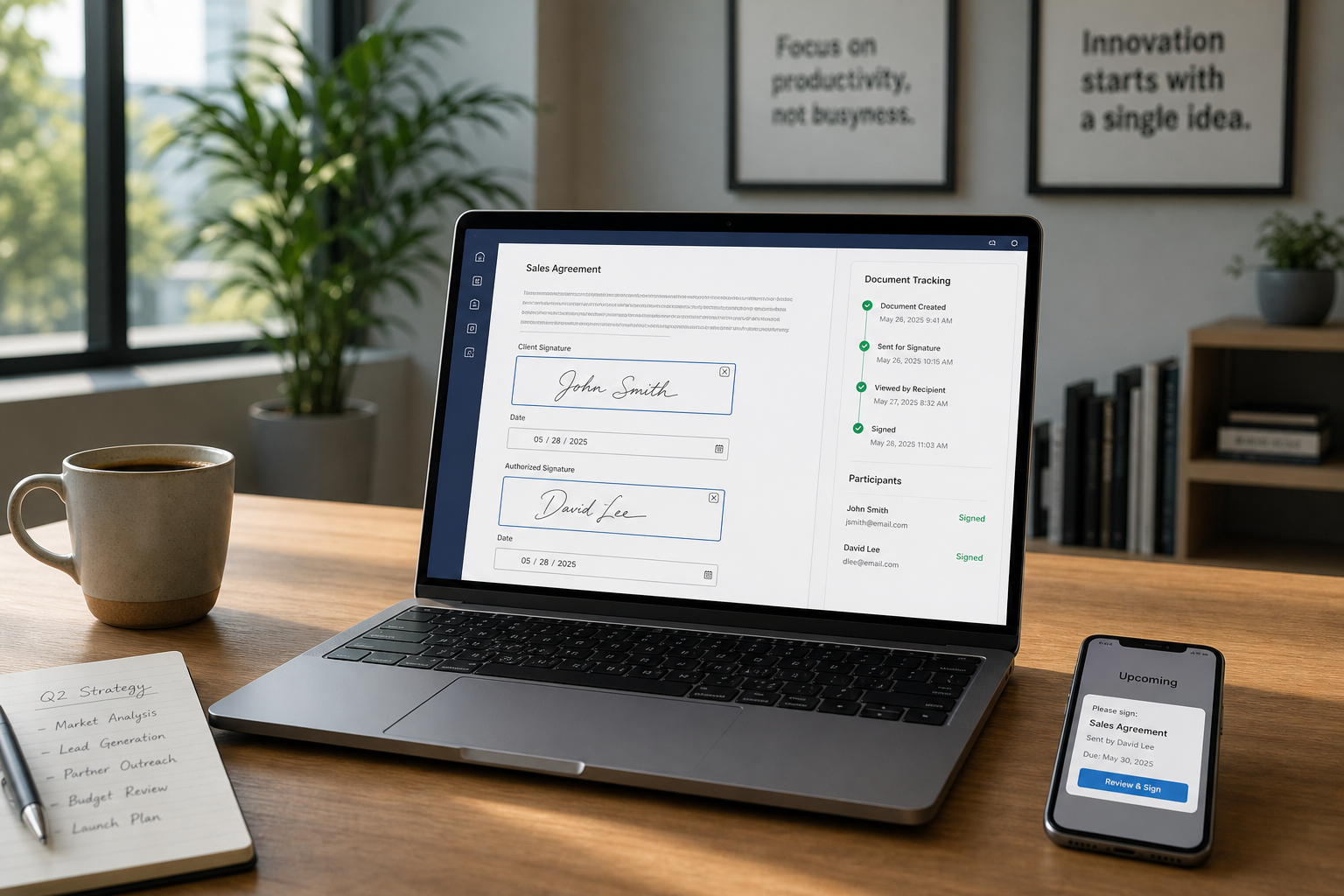
In digital tax reporting, documents are not only completed and submitted, they must also be legally signed. This is where digital signatures play a crucial role. VIDA, as an officially licensed electronic certification authority in Indonesia, provides digital signature services that are already integrated with the Coretax system.
Through this integration, tax document signing becomes:
- Secure and seamless, allowing taxpayers, institutions, and tax consultants to sign and submit tax documents safely
- Directly linked to the signer’s national ID (NIK), ensuring verified and trusted identities
- Free from additional account creation or extra logins
- More efficient, regulation-compliant, and legally protected
Baca juga: Panduan Coretax: Semua yang Wajib Pajak Perlu Tahu
For many people, dealing with taxes can feel intimidating—especially without a clear understanding of the basics, such as the different types of taxes. By understanding the tax types in Indonesia, you can be better prepared to meet your tax obligations, whether as an employee, a business owner, or a corporate taxpayer.
With the support of technology like VIDA’s digital signature, which is integrated with Coretax, managing taxes no longer has to feel complicated or overwhelming. Start by understanding the tax types and examples that are relevant to your situation, then manage your tax obligations in a secure, orderly, and confident way.
.png)