Jakarta, February 19, 2026 – Ramadan is a time for reflection. A time when we become more mindful of what we consume, more thoughtful in our transactions, and more attentive to others. Yet amid the surge of digital activity during Ramadan, from online shopping and donations to booking travel tickets, renting vehicles or gadgets, and sharing documents for administrative purposes, one risky habit continues to be normalized: storing and sharing personal documents carelessly.
Through the #VIDAJagaKalian campaign, VIDA invites the public to rethink this habit and adopt safer ways to manage their digital identity.
In the digital era, personal data leaks rarely begin with a sophisticated system breach. More often, they start with simple everyday behaviors: ID cards saved in phone galleries, family documents scanned and stored without protection, or important files forwarded through chat without any access control. Once these files circulate freely, control is lost. And once leaked, the data can be reused repeatedly.
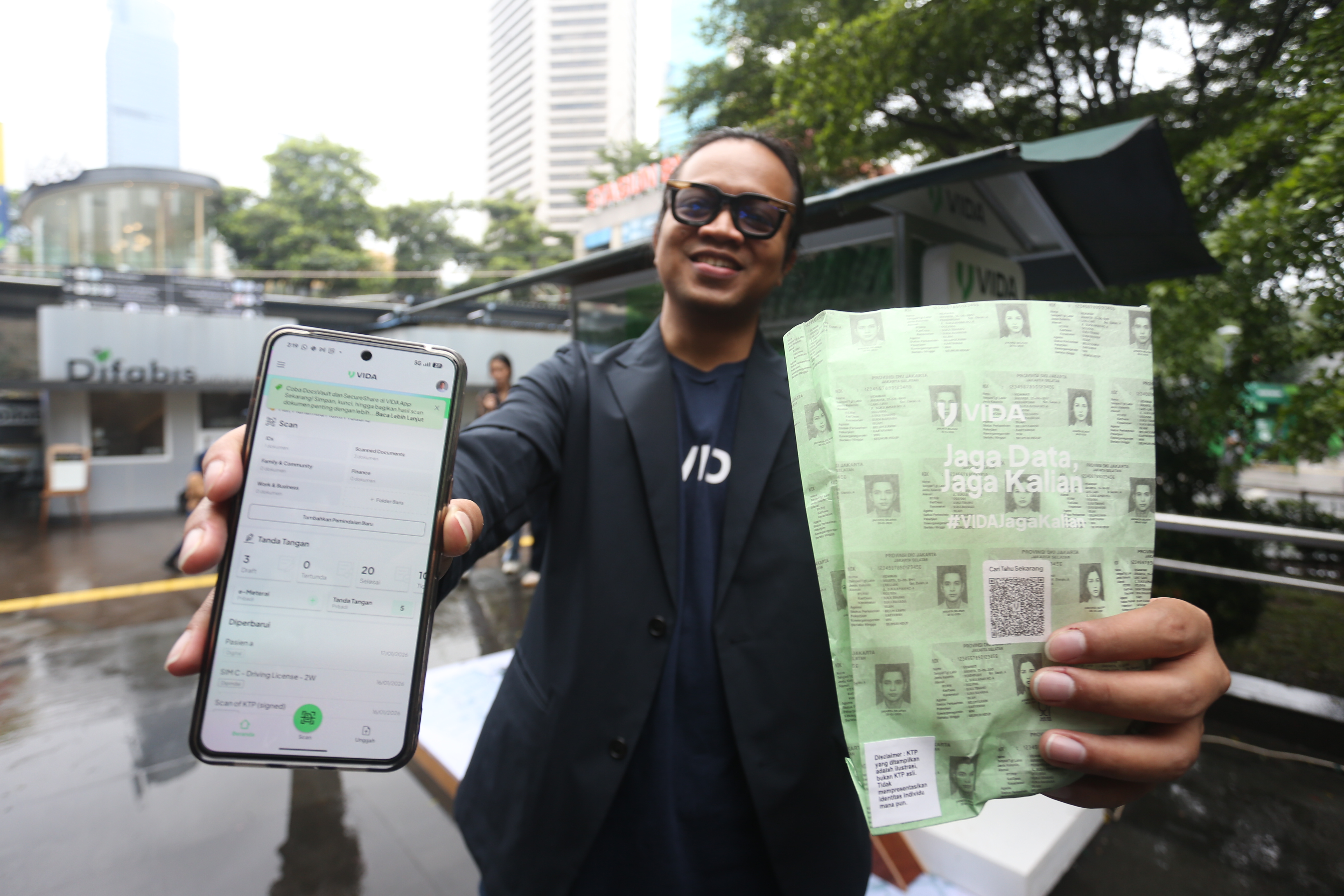
“For digital criminals, personal documents stored unprotected in phone galleries or casually shared through chat are like discarded food wrappers from street snacks. Easy to pick up, easy to exploit, and often taken without us realizing they have already changed hands,” said Mukti Pradana, AVP Product Management at VIDA. “Ramadan is a moment to reset habits, including digital ones. If there’s a safer way, why take unnecessary risks?”
The campaign highlights two simple steps: stop normalizing risky behaviors and start building safer habits.
Stop Normalizing:
• Stop storing sensitive documents in your phone gallery without additional protection
• Stop sending photos of ID cards, family cards, or passports through chat applications without access control
• Stop assuming that data leaks are normal or that they will not affect you
A single lost phone, a hacked email account, or a forwarded chat message can open the door to identity misuse, from illegal online loan registrations to account takeovers.
Start Doing:
• Start storing important documents in encrypted storage protected by biometrics
• Start sharing documents with controlled access, time limits, and usage tracking
• Start ensuring that digital identity remains in the hands of its rightful owner
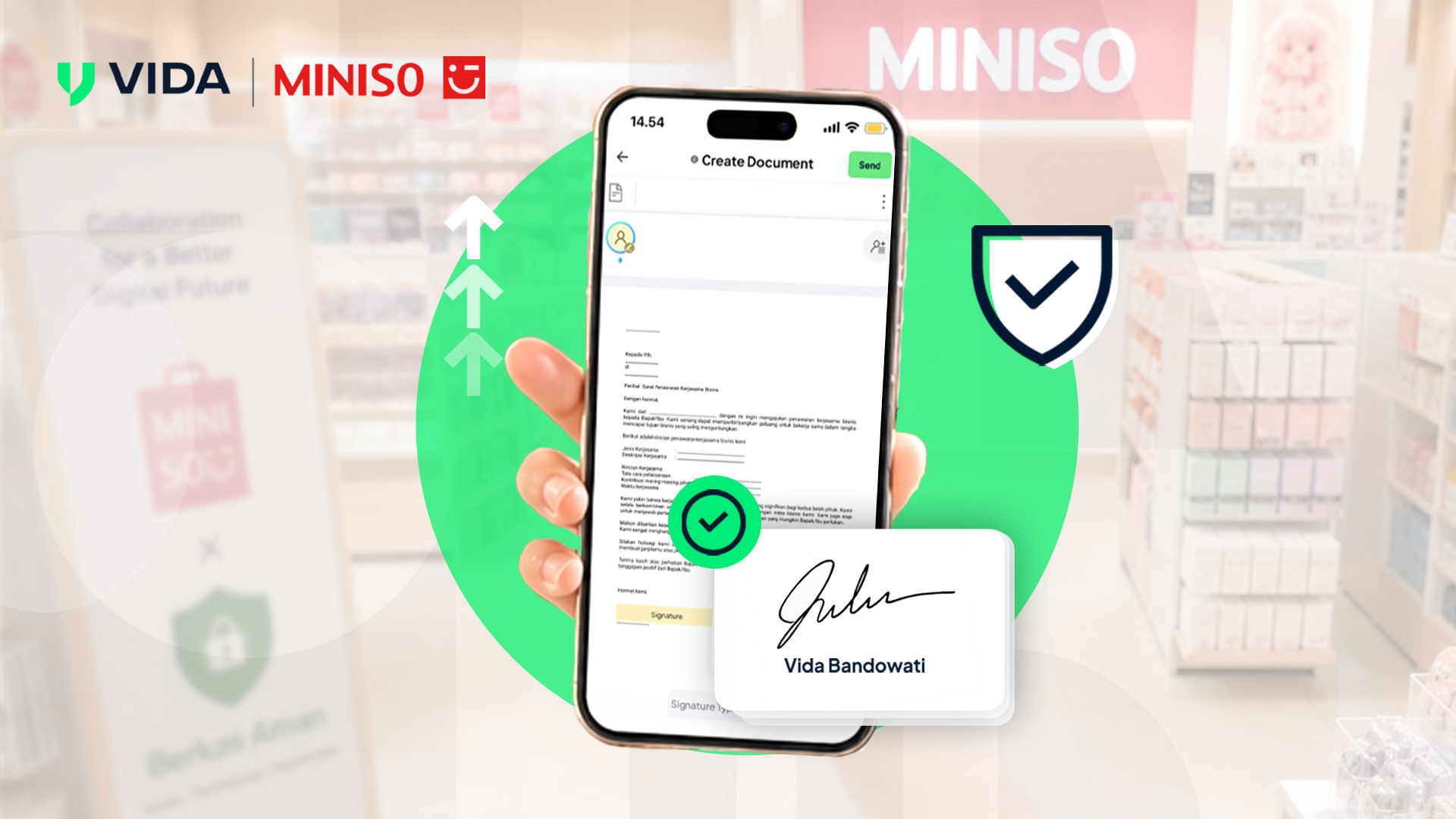
Through the VIDA App, users can store important documents securely using the DocsVault feature, which provides encrypted storage protected by facial biometric authentication.
When documents need to be shared, the SecureShare feature allows users to control access duration, limit the number of views, and revoke access at any time. Documents are no longer sent as free-floating files, but shared through controlled access.
“Security does not have to be complicated. We designed the VIDA App so people can stay practical without sacrificing safety. Sharing documents should not mean sharing control. Identity belongs to its rightful owner,” Mukti added.
Ramadan is a moment for change. A moment to stop risky habits and build safer ones. Because when an original document leaks, the consequences can be far more dangerous than a fake one. Once personal data spreads, it can be exploited again and again.
.png)