Hiring the right people is only the beginning of building a strong workforce. Once a candidate joins an organization, the next challenge is helping them adapt, understand their responsibilities, and become productive as quickly as possible.
This is where employee onboarding plays an important role. A structured onboarding process helps new employees transition smoothly into their roles while creating a positive first impression of the company.
Without a clear process, new hires may struggle to understand expectations, company culture, or the tools they need to perform effectively.
What Is Employee Onboarding?
Employee onboarding is the process of introducing and integrating new employees into an organization. It involves more than simply completing paperwork or attending orientation sessions.
A successful onboarding experience helps employees understand company values, workflows, responsibilities, and workplace expectations. The goal is to ensure that new team members feel prepared and supported from their first day.
The process can begin even before an employee officially starts work and continue for weeks or months depending on the organization.
Key Steps in an Effective Onboarding Process
A structured approach helps organizations create a smoother experience for both employees and HR teams.
1. Pre-boarding Preparation
Before the first day, companies often prepare work equipment, access credentials, documentation, and internal communication channels.
2. Orientation and Introduction
New hires are introduced to company policies, team members, and workplace culture.
3. Training and Role Understanding
Employees receive information about their responsibilities, tools, systems, and workflows required for their role.
4. Ongoing Support and Feedback
Regular check-ins help managers understand challenges employees may face and provide guidance when needed.
5. Performance Alignment
Clear goals and expectations help new employees understand how their work contributes to broader business objectives.
When these steps are organized properly, employees often adapt more quickly and feel more confident in their new roles.
Why Employee Onboarding Matters for Businesses
An effective onboarding process can influence employee satisfaction and long-term retention.
Employees who receive proper guidance often become productive faster because they understand expectations early. They are also more likely to feel connected to the company and its culture.
On the other hand, a disorganized experience can create confusion and affect engagement. Delays in access, incomplete information, or unclear instructions may impact the employee experience during the critical first stages of employment.
For growing businesses, consistent onboarding processes also help create operational efficiency and reduce administrative challenges.
The Role of Digital Processes in Modern Onboarding
As more companies adopt remote and hybrid work models, onboarding has increasingly moved into digital environments.
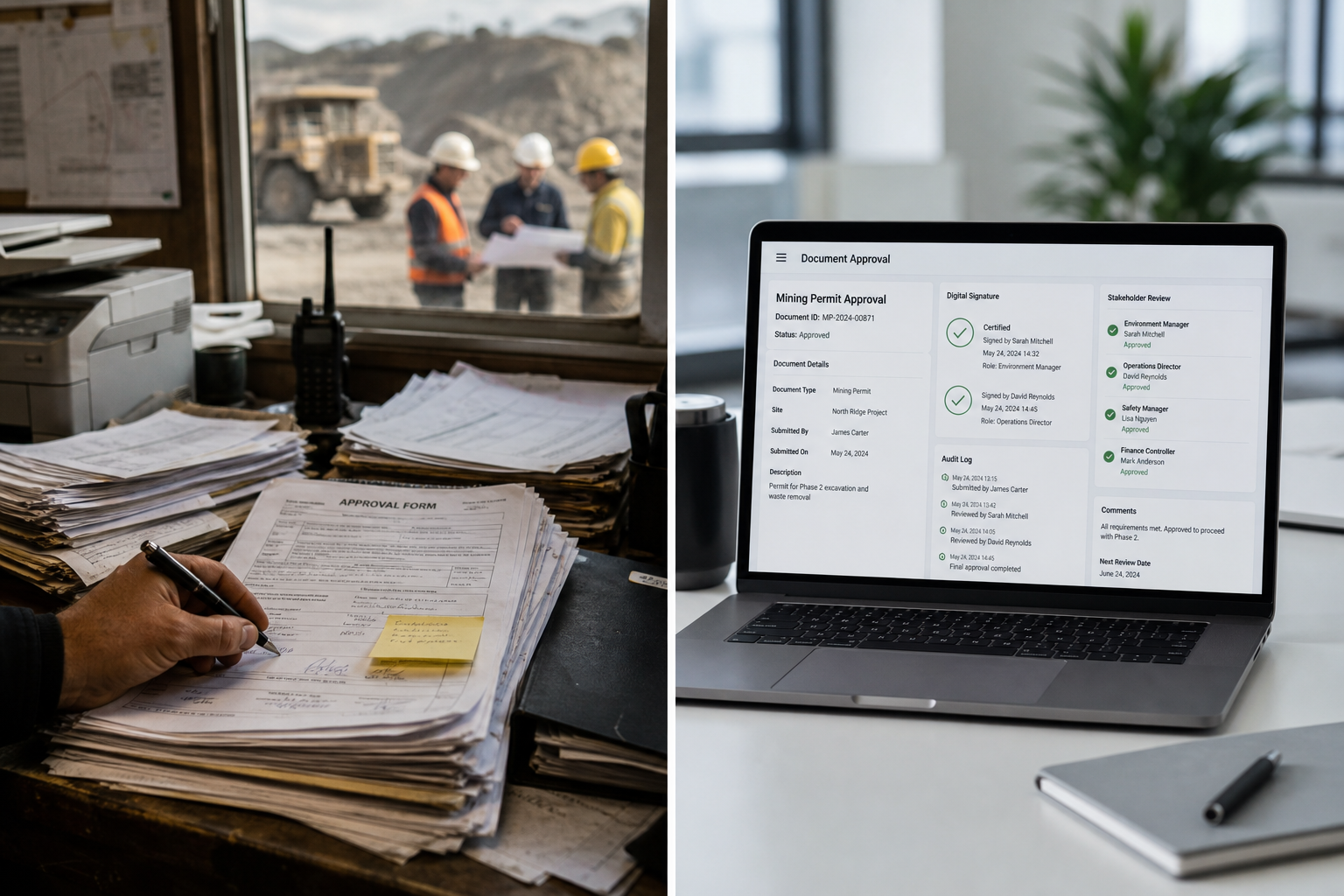
Organizations now rely on online platforms for document submission, identity verification, employee access management, and digital signatures. These technologies help reduce manual work and create faster onboarding experiences.
At the same time, verifying employee identities and protecting sensitive information have become increasingly important, particularly when processes happen remotely.
Solutions from VIDA support organizations through digital identity verification, authentication, and secure onboarding experiences that help businesses improve efficiency while maintaining trust and security.
.png)