Imagine being able to have a video call with Albert Einstein, Mahatma Gandhi, or Soekarno in 2024. A few years ago, it seemed impossible. But now, deepfake can make it happen.
Deepfake is fake photos, videos, and audio reproduced from their original sources using artificial intelligence (AI). The content produced by deepfake looks real and similar to the original. Although initially used for entertainment, deepfake is considered a new threat to digital security.
However, deepfake still has positive impacts. Besides entertainment, deepfake can also be used for education and business. Here are some positive uses of deepfake in everyday life.
1. Deepfake for education:
Deepfake for education can be used for history lessons. Students can interact with historical figures who were previously only seen in photos or textbooks. With deepfake, photos of historical figures can be turned into videos explaining historical material. So, students can interact with these historical figures. Interesting, isn't it?
2. Deepfake for customer service:
This is still debatable as it can replace human jobs. However, deepfake for customer service is gradually being adopted as virtual customer service or call centers. Quoted from Inc.com, video chatbots can be implemented to make interactions with users more personal. Companies first record videos containing FAQs from users, then AI synthesizes them into deepfake. Some companies even use video chatbots for recruitment.
3. Deepfake for marketing:
Ever heard of virtual influencers? In Indonesia, several companies have used virtual influencers or brand ambassadors to represent their products. The cost for virtual influencers is said to be cheaper than real influencers because they all use AI. Because it is cheaper and easier to make, virtual influencers can be trained to learn about consumers, making marketing more targeted. Deepfake can also replace models during the production of product campaign videos. Without the need for real shooting, campaign videos can be made entirely using technology.
Deepfake seems harmless when used for the purposes above. However, why does deepfake seem to be dangerous now? Statista notes that cyberattacks are one of the threats to businesses that surpass macroeconomic developments. In a survey conducted from 2018 to 2023, 34% of respondents identified cyberattacks as their main concern.
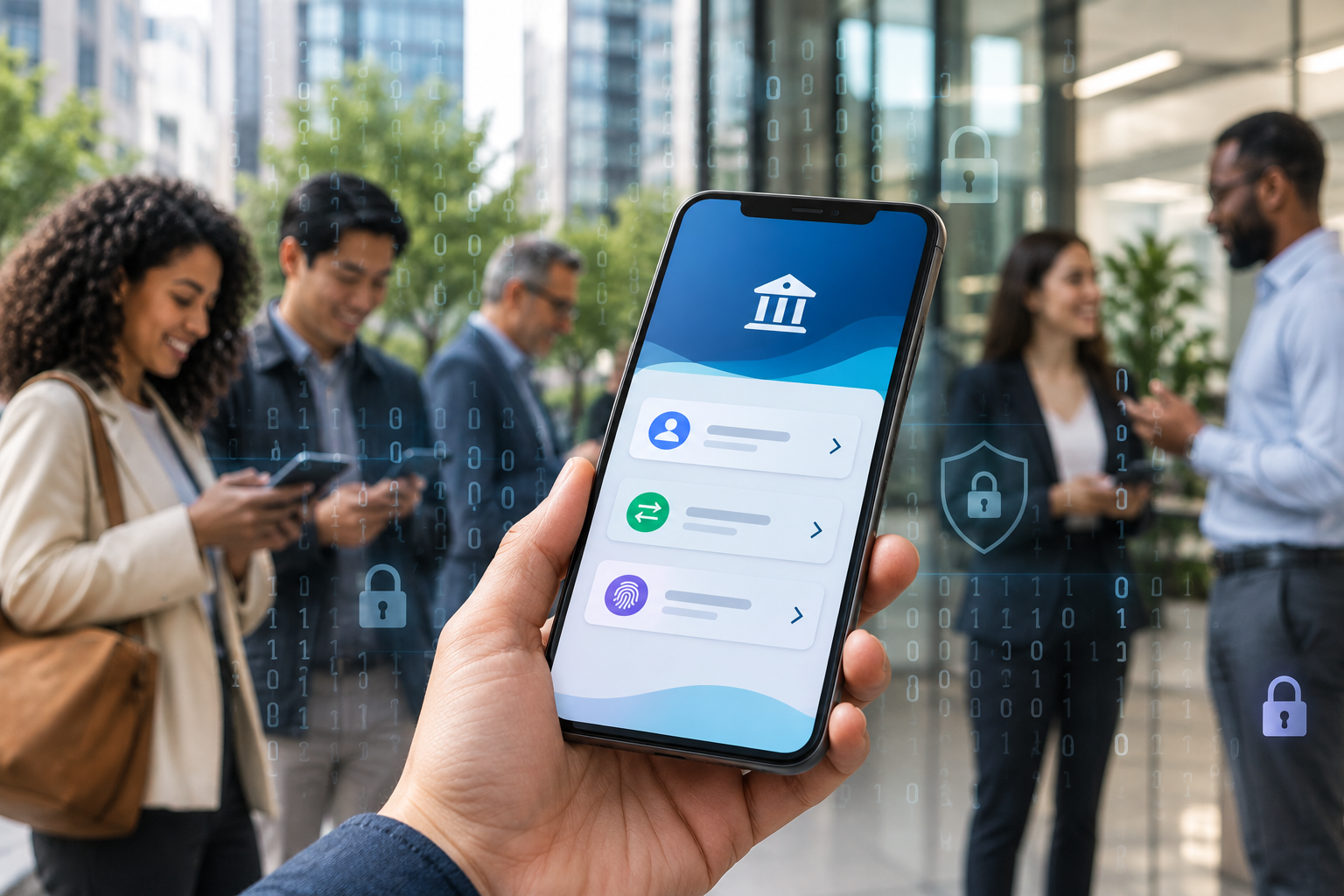
This is because deepfake has the potential to be used as a tool to create fake news (hoaxes). With AI easily mimicking someone else's face or voice, deepfake is now exploited to create fake content used for information dissemination and propaganda. Not only that, deepfake is used as a tool for fraud that threatens the privacy and security of personal data owners. This is because deepfake can mimic someone else's face, then used for biometric verification when registering for applications or authentication during transaction processes.
Currently, VIDA uses global AI biometric verification technology to help users automate the identity verification process using liveness detection. VIDA Passive Liveness SDK incorporates robust anti-spoofing technology that utilizes algorithms from the user side to assess image quality, thereby improving user experience and reducing drop-offs during the registration process.


VIDA - Verified Identity for All. VIDA provides a trusted digital identity platform.